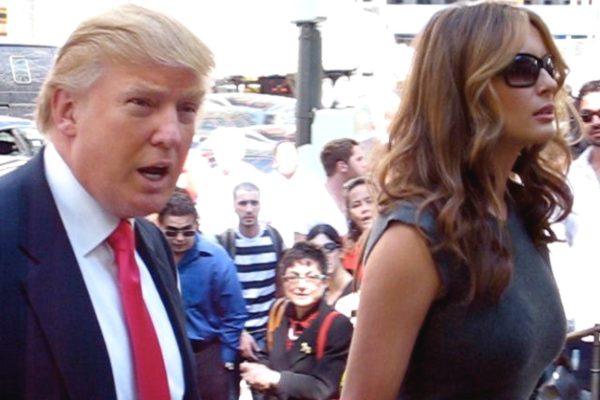
Since Donald Trump returned to the White House in January 2025, one question has quietly followed the administration: where is Melania Trump? Reports now confirm that the First Lady has not spent a single night in the executive mansion during this second term. Author Michael Wolff, speaking on a recent podcast, described the situation as a functional “abdication” of the traditional duties that come with the role.
For many in Washington, the absence is more than a logistical curiosity. It signals a deliberate redefinition of what it means to be First Lady in the modern era. Melania Trump has never been a conventional figure in that role, but her near-total separation from the daily life of the White House marks a clear departure from the playbook followed by her predecessors, from Laura Bush to Jill Biden.
Friction inside the West Wing
According to Wolff, a major factor behind Melania's decision is the constant presence of Natalie Harp, a key presidential aide. Harp, who has been described as a loyalist with significant influence over the president, has reportedly been a source of tension for Melania. The First Lady has expressed discomfort with the idea of residing in the same building where such aides operate so closely to the president. This friction echoes earlier reports of clashes between Melania and various members of Trump's inner circle during his first term.
The situation has led to a noticeable reduction in East Wing staff. While previous First Ladies typically maintained teams of around 20 people to manage initiatives, events, and communications, Melania's office now runs with just five assistants. That downsizing reflects a broader shift in priorities: Melania has increasingly focused on private commercial ventures, including a memoir deal and a documentary project with a major streaming platform. These projects, while lucrative, have kept her out of the political spotlight and away from the traditional ceremonial duties of her position.
Public perception and political implications
Melania's approach has not gone unnoticed by political analysts or the public. Some supporters see her independence as a refreshing break from the often scripted role of First Lady, while critics argue it undermines the symbolic importance of the position. The absence also feeds into broader narratives about the Trump administration's unconventional style, which has often blurred the lines between personal, political, and commercial interests.
For Latino audiences, the story resonates beyond the Beltway. The Trump administration's policies on immigration and border security have had profound effects on Latino communities across the U.S. and Latin America. The First Lady's distance from the political fray might be seen by some as a missed opportunity to engage with issues that matter to these communities, especially given her own immigrant background. Yet, her silence on such matters is consistent with her public persona, which has always been more reserved than that of her predecessors.
As the second term unfolds, the question of Melania's role will likely persist. Whether she will eventually take up residence in the White House or continue to operate from a distance remains unclear. What is certain is that her absence has become a talking point in the ongoing discussion about the modern presidency and the evolving expectations of the First Lady.
For now, the East Wing remains a quieter place, and the First Lady's projects—both personal and professional—continue to shape her public image. As with many aspects of the Trump era, the situation is unprecedented, and the full implications are still being written.