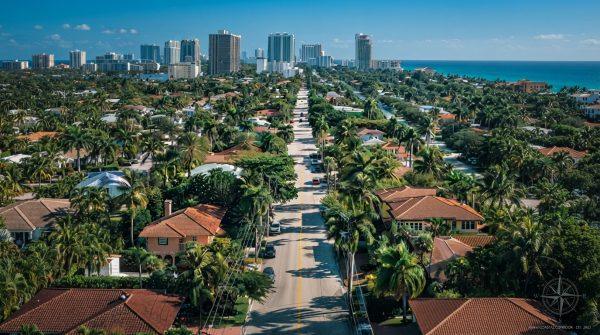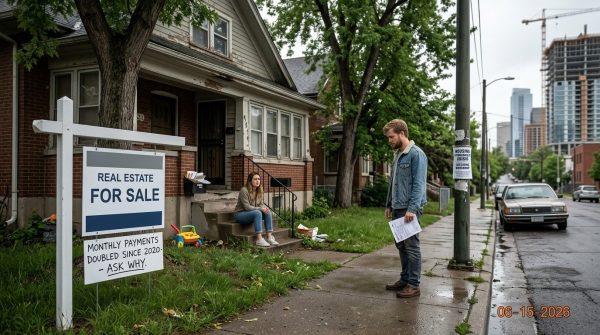
This summer, the dream of buying a first home in cities like Miami, Los Angeles, New York, and Houston has become more elusive than ever. A new housing milestone in the USA has emerged: the median home price now exceeds $400,000, and the income required to purchase a typical property has nearly doubled compared to 2020. For many Latino families, who often rely on single incomes or face stagnant wages, this shift is reshaping where and how they live.
The Joint Center for Housing Studies reports that monthly mortgage payments have surged dramatically, turning what was once a standard housing expense into a heavy financial burden. With mortgage rates hovering above 6%, even dual-income households find it difficult to qualify for loans. This is not just a statistic—it's a reality that is pushing younger generations to delay household formation and reconsider their futures in these urban centers.
Why This Housing Milestone Matters for Latino Communities
Latinos are among the most affected by this crisis. In cities like Los Angeles and Miami, where Latino populations are large and growing, the gap between income and home prices has widened sharply. According to recent data, existing home sales remain near 30-year lows, and single-family housing starts have dropped by 1% annually as developers hesitate amid rising material costs. This combination of high prices and limited supply is forcing many families to rent longer or move to more affordable regions.
For example, a recent analysis shows that Latinos are leaving LA, NYC, and Miami for more affordable US cities like Topeka, Kansas, where the cost of living is lower and homeownership is still within reach. This trend is not just about economics—it's about community and identity. As families relocate, they often leave behind support networks and cultural hubs, which can be a difficult trade-off.
Meanwhile, by 2028, these US cities could be out of reach for Latino families on stagnant incomes if current trends continue. The affordability crisis is not just a temporary blip; it's a structural shift that requires serious policy attention.
Key Indicators of the Crisis
- Existing home sales remain trapped near 30-year lows, with minimal recovery since 2023.
- Single-family housing starts have dropped by 1% annually, reflecting developer caution.
- Property ownership rates have declined for the second consecutive year, proving that market prices exceed typical household budgets.
Consumer confidence has also taken a hit. Geopolitical tensions and slowing job creation are discouraging major life decisions like buying a home. Recent graduates, many of whom are Latino, find themselves unable to relocate or pursue new career opportunities because of the high cost of housing near employment centers. This creates a cycle of limited mobility and financial strain.
Some experts point to a brief window of relief: mortgage rates dropped to 6.47% recently, but this is unlikely to be enough to reverse the trend. Without substantial wage growth or aggressive monetary policy adjustments, the housing milestone in the USA will remain a permanent talking point across the country.
For Latino families, the choice is becoming stark: stay in expensive cities and struggle, or move to more affordable areas and rebuild. As this crisis deepens, it's clear that the American dream of homeownership is being redefined—and not everyone will be able to achieve it in the same places they once called home.