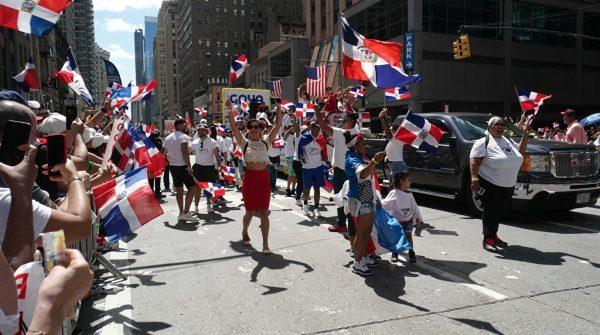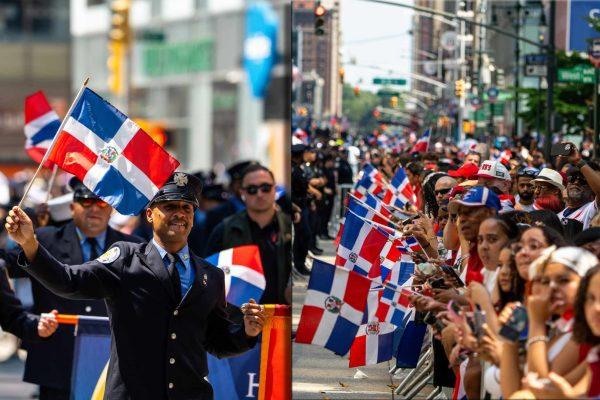
On a sun-drenched Sunday, Manhattan's Sixth Avenue transformed into a sea of Dominican flags, merengue rhythms, and proud families as the National Dominican Day Parade returned for its 44th edition. Organizers estimated that 400,000 people lined the route, making it one of the largest cultural gatherings in the city's calendar.
The parade is more than a spectacle; it's a statement of belonging. With more than one in eight New Yorkers now claiming Dominican heritage, the event underscores how deeply the community is woven into the city's fabric. From Washington Heights to the Bronx, the diaspora's influence is visible in every corner—from bodegas and barbershops to the halls of City Hall.
A Celebration of Identity and Culture
This year's theme, “Dominicanos: Identidad y Cultura,” was a deliberate nod to the roots that anchor the community. Dr. Ramon Tallaj, founder of Somos Community Care, served as grand marshal. His organization, which provides healthcare to over a million Medicaid recipients, embodies the values of hard work, faith, and family that the parade celebrates.
“We are a people of resilience and generosity,” Tallaj said in a statement, reflecting on the community's journey. “This parade is a tribute to our ancestors and a promise to our children that their heritage is a source of strength.”
The route was a moving mosaic of Dominican regions—from the colonial streets of Santo Domingo to the beaches of Puerto Plata—each represented by floats, folkloric dancers, and the unmistakable sounds of bachata and dembow. For many attendees, it was a chance to pass on traditions to the next generation.
Political Solidarity and Community Pride
The parade also drew a strong showing of elected officials, who used the platform to reaffirm their support for the Dominican community. Mayor Zohran Mamdani, who participated in the ribbon-cutting ceremony, praised the community's contributions and expressed pride in the city's diversity.
Governor Kathy Hochul sent a message of solidarity, vowing that the state would protect residents from federal immigration enforcement overreach. Her remarks resonated with many in the crowd, given the ongoing national debates over immigration policy.
The political presence was a reminder that the Dominican community is not just a cultural force but a political one. As Dominican roots deepen in the Bronx, the community's electoral influence continues to grow, shaping local and state politics.
Security and Logistics
With such a massive turnout, the NYPD deployed an enhanced security plan. Double barricades lined the entire route, and additional officers patrolled the area. Police Commissioner Jessica Tisch noted that while there were no specific threats, the department would maintain a heavy presence in the neighborhood and at subway stations even after the parade concluded.
For attendees, the security measures were a small price for the joy of the day. Families staked out spots along the avenue hours before the first float rolled by, and the atmosphere was festive and welcoming.
The parade also served as a reminder of the broader Latino diaspora's presence in New York. As a recent exhibition in Buffalo showcased, Latino artists are making their mark across the country, and events like this parade keep those connections alive.
For many, the day ended with a sense of pride and continuity. As the last floats disappeared and the crowds dispersed, the echoes of the day's music lingered, a testament to a community that refuses to be invisible.