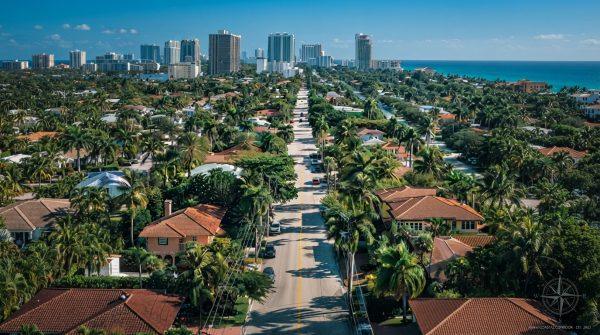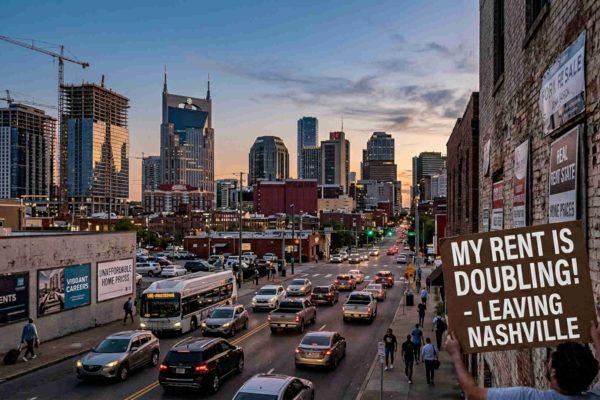
For many Latino families across the United States, the dream of homeownership is slipping further away. While cities like Nashville, Tennessee, and Greenville, South Carolina, once offered a more affordable alternative to coastal hubs, rapid growth and limited housing supply are turning them into luxury markets. If your income isn't rising, these places may be out of reach by 2028.
This isn't just about rising prices—it's about the erosion of economic stability for communities that have long relied on these cities for opportunity. As Latinos leave LA, NYC, and Miami for more affordable US cities, they're finding that the same forces that pushed them out of those metros are now reshaping secondary markets.
Nashville: The Boom That Displaces Locals
Nashville's economy is booming, driven by health care, tech, and entertainment sectors, plus the lure of no state income tax. But that boom has a dark side: average home prices now hover around $450,000, a figure that puts homeownership out of reach for many who have lived there for decades. Longtime residents—including many Latino families who built roots in the city's service and construction industries—are being forced to look elsewhere.
The city's growth shows no signs of slowing. With a vibrant job market and a severe housing shortage, anyone whose salary isn't keeping pace with inflation will find themselves squeezed. If your paycheck isn't growing, Nashville's appeal quickly fades.
Greenville: The New Frontier of Financial Stress
Greenville, South Carolina, offers a stark warning about how fast a market can change. The median home price jumped from about $185,000 in 2017 to nearly $358,000 today—a 93% increase in just seven years. Meanwhile, available inventory has plummeted from 5.2 months of supply in 2018 to just 1.8 months today, meaning bidding wars are now the norm.
For Latino families who moved to Greenville seeking affordability, the math no longer works. The city's rapid transformation mirrors what happened in Nashville a decade ago, and it's a pattern that could repeat in other midsize Southern cities. Buyers must be extremely cautious before committing their financial future here.
This trend is part of a broader shift in where Latino families can afford to live. As 2026's most affordable US cities become harder to find, the pressure to move further inland or to smaller towns intensifies. But even those options are shrinking.
What This Means for Latino Homebuyers
The message is clear: if your income isn't rising, you need to think strategically about where you buy. Cities that seem affordable today can double in price before you know it. For Latinos, who often face wage gaps and less generational wealth, this is especially dangerous.
Smart planning is essential. That means looking beyond the hottest markets and considering places where housing supply is still growing, or where local economies are more diversified. It also means being realistic about how much of your income you can devote to housing—and whether that number will still work in five years.
As Texas cities struggle to support families, and other Sun Belt markets heat up, the window of opportunity is closing. For Latino families, the decision to buy a home is no longer just about preference—it's about reading where capital is moving and where competition for space is fiercest.
The bottom line: don't wait until 2028 to make a move. If your salary is flat and you're in a city like Nashville or Greenville, it may already be too late to buy in. But with careful research and a willingness to explore less obvious markets, there are still paths to homeownership—for now.