The tragic death of an 8-year-old girl in Louisiana has put a spotlight on a rare but deadly microorganism that thrives in warm freshwater. Lillian Smart passed away on August 22, days after swimming in Lake Claiborne, near Ruston. Health officials confirmed that she was infected with Naegleria fowleri, commonly known as the brain-eating amoeba.
According to the Centers for Disease Control and Prevention, the amoeba enters the body through the nose, travels to the brain, and causes primary amebic meningoencephalitis (PAM), a nearly always fatal infection. The CDC emphasizes that the infection cannot be contracted by swallowing contaminated water, nor is it contagious from person to person.
While the risk of infection remains extremely low—only 167 cases have been reported in the U.S. over several decades—the consequences are devastating. This incident has prompted health authorities across the American South to reinforce safety guidelines for families enjoying lakes, rivers, and ponds during the summer heat.
Why warm water increases the risk
Naegleria fowleri thrives in warm freshwater, especially when temperatures climb between July and September. Lakes, rivers, hot springs, and even poorly maintained swimming pools can harbor the amoeba. In contrast, properly chlorinated pools and saltwater oceans are considered safe.
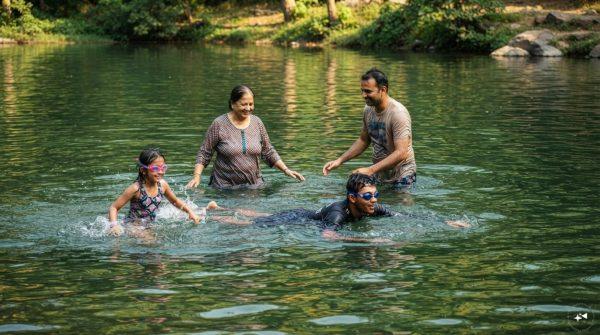
Children, particularly young boys, are more likely to be exposed because they tend to dive and stir up sediment at the bottom of lakes, where the amoeba often resides. This makes supervision and preventive measures essential for families planning water activities.
How to protect your family
Health officials recommend the following precautions for anyone swimming in natural freshwater:
- Use nose clips or keep your head above water to prevent water from entering the nasal passages.
- Avoid diving or jumping into warm, shallow water, especially during heatwaves.
- Refrain from stirring up sediment in lakes or ponds.
- Wear a nose plug if you are prone to splashing or submerging your head.
- Seek medical attention immediately if you experience headaches, fever, nausea, or vomiting after freshwater exposure.
These simple steps can significantly reduce the risk of infection. As Dr. Raúl Martínez, an infectious disease specialist in Houston, explains, “The amoeba is ubiquitous in warm waters, but infection is incredibly rare. Still, the outcome is so severe that prevention is the only real defense.”
For Latino families across the U.S., many of whom enjoy summer trips to lakes and rivers in states like Texas, Florida, and California, these warnings are especially relevant. Community health organizations are working to spread awareness in both English and Spanish, ensuring that all families have the information they need to stay safe.
This tragedy in Louisiana serves as a somber reminder of the hidden dangers that can lurk in natural waters. While the odds of encountering Naegleria fowleri are minuscule, the consequences are catastrophic. By taking simple precautions, families can continue to enjoy the outdoors without fear.
For more on how families are navigating summer risks, see our coverage on flesh-eating bacteria safety tips and La Niña's impact on summer weather.