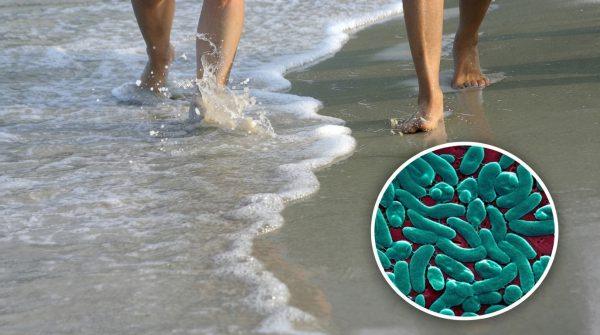
Summer in Florida means beach days, but for one woman, a trip to the coast turned into a nightmare. She lost part of her leg to necrotizing fasciitis, a rare but aggressive infection caused by flesh-eating bacteria. The case has reignited warnings about the hidden dangers lurking in warm marine waters.
According to the Florida Department of Health, the bacteria entered through a tiny scratch on her skin. Within hours, the infection spread rapidly, destroying soft tissue and forcing doctors to amputate part of her leg to save her life. The woman, whose name has not been released, is now recovering but faces a long road ahead.
How the infection takes hold
Necrotizing fasciitis is caused by several types of bacteria, including Vibrio vulnificus, which thrives in warm seawater, and group A streptococcus, which can enter through open wounds. The Centers for Disease Control and Prevention (CDC) notes that these pathogens can penetrate even the smallest cuts, scrapes, or recent tattoos. People with underlying conditions like diabetes, liver disease, or weakened immune systems are at higher risk.
Dr. María Fernanda Gómez, an infectious disease specialist in Miami, explains: “The bacteria multiply quickly in warm water, and once they enter the body, they release toxins that kill tissue. The key is to seek medical help immediately if you notice unusual pain, swelling, or redness after being in the water.”
In addition to skin contact, consuming raw or undercooked seafood, especially oysters, can also lead to infection. Health officials urge caution, particularly for those with compromised immune systems.
Recognizing the warning signs
Early symptoms of necrotizing fasciitis include severe pain that seems out of proportion to the visible injury, rapid swelling, redness, and fever. As the infection progresses, the skin may develop dark blisters or ulcers. “Time is muscle,” says Dr. Gómez. “The sooner antibiotics and surgery are administered, the better the chances of survival.”
Hospitals in Florida are trained to handle these cases, with protocols that include broad-spectrum antibiotics and emergency surgery to remove dead tissue. Rapid coordination between emergency rooms and labs has helped reduce mortality rates, but prevention remains the best defense.
Safety tips for beachgoers
- Stay out of the water if you have any open cuts, scrapes, or unhealed tattoos.
- Wear protective footwear to avoid cuts from shells or rocks.
- Wash any wound immediately with clean water and soap after ocean contact.
- Seek medical care if you experience intense pain, swelling, or fever after a beach visit.
- Avoid raw seafood if you have underlying health conditions.
Florida’s health authorities are stepping up surveillance along the Atlantic and Gulf coasts, especially during the summer months when water temperatures rise. Similar concerns have been raised in other warm-water regions, including the Gulf of Mexico and the Caribbean.
For Latinos who flock to Florida’s beaches from across the diaspora, this story is a reminder that even paradise has its risks. As one health official put it, “The ocean is beautiful, but it’s not sterile. Respect it, and protect yourself.”
If you’re planning a beach trip, check local advisories and heed warnings. And if you have a cut, think twice before diving in. Your health is worth more than a day in the waves.