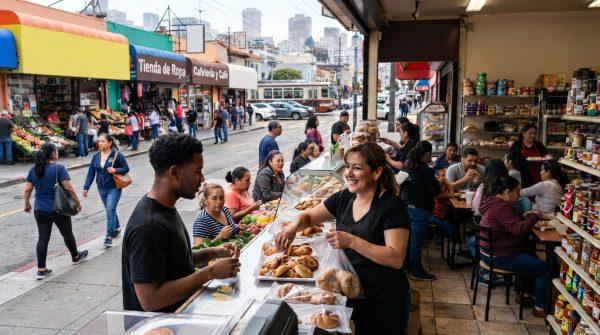
In 2024, the economic output of Latinos in the United States hit a historic $4.4 trillion, according to the Latino GDP Project from UCLA and California Lutheran University. If that figure were the GDP of a standalone nation, it would rank among the world’s top economies—surpassing France, Brazil, and Japan. This milestone underscores how deeply Latino workers, entrepreneurs, and consumers are woven into the fabric of the U.S. market.
The numbers reflect a dynamic labor force that is reshaping industries from coast to coast. In cities like New York, Los Angeles, Miami, and Chicago, Latino-owned businesses and workers are driving demand in construction, retail, logistics, and services. Yet the sheer scale of this economic engine doesn’t automatically translate into household wealth. Persistent wage gaps and limited access to financial services mean that many families still struggle to convert daily effort into long-term stability.
Key sectors powering the Latino GDP
Much of the $4.4 trillion comes from essential services: restaurants and fast food, construction and remodeling, logistics and supply chains, and retail trade in basic necessities. These sectors have long been entry points for Latino workers, but the landscape is shifting. More Latinos are moving into higher-value fields like health care, technology, education, and financial services. This diversification is especially visible in California, Texas, Florida, and New York, where specialized roles are creating new opportunities for upward mobility.
Entrepreneurship is another pillar. Latino business owners are increasingly establishing firms in financial services, tech, and professional consulting, though they still face barriers like limited access to capital and networks. Community organizations and chambers of commerce are stepping in to help, offering credit lines and mentorship programs that can turn a small venture into a lasting enterprise.
The growth also has a global dimension. As the U.S. prepares to host the 2026 FIFA World Cup, Latino-owned businesses in New York and New Jersey are poised to benefit from increased tourism and infrastructure spending. Similarly, the World Cup 2026 tourism crisis highlights the strain on the Latino workforce in hospitality, even as the sector expands.
But reaching this level of production demands a critical look at structural challenges. The magnitude of the Latino GDP does not automatically mean balanced incomes. Stakeholders—from policymakers to corporate leaders—must implement strategies that foster wage equity and reduce operating costs for small business owners. Only then can this great economic machinery translate into greater purchasing power and well-being for all families.
Continuous training in high-growth areas like health, advanced technology, and financial management is essential. As more Latinos occupy specialized positions, they not only climb the career ladder but also strengthen the collective economic structure. The rise in demand for specialized services opens doors for workers and business owners who find in specialization a clear route to transform productivity into solid financial assets.
The Latino economy is no longer a niche story—it is a central force in the U.S. and global markets. With strategic public policies and community-driven initiatives, this $4.4 trillion engine can become a foundation for lasting prosperity across the Americas.