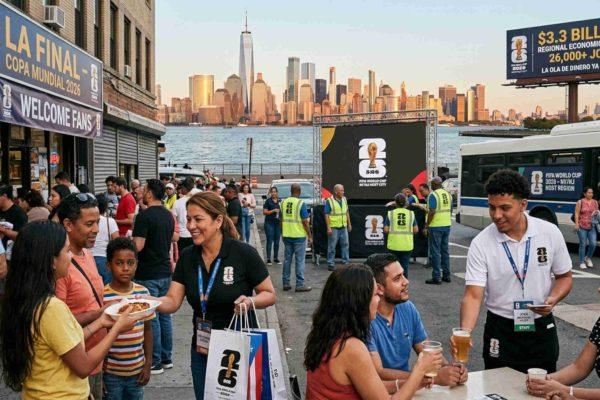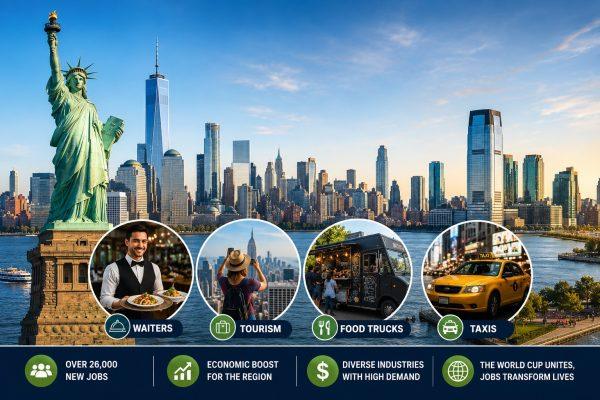
With less than twenty days until the opening whistle of the 2026 FIFA World Cup, the economic focus has shifted from training grounds to the ledgers of small and medium-sized enterprises. The New York and New Jersey metropolitan area is bracing for an unprecedented financial surge, driven by the arrival of over one million international fans. According to the Host Committee, the tournament will generate a direct economic contribution of $3.3 billion and create more than 26,000 jobs, with eight matches scheduled at MetLife Stadium, including the grand final on July 19.
Latino Businesses: A Cultural Edge at the Frontline
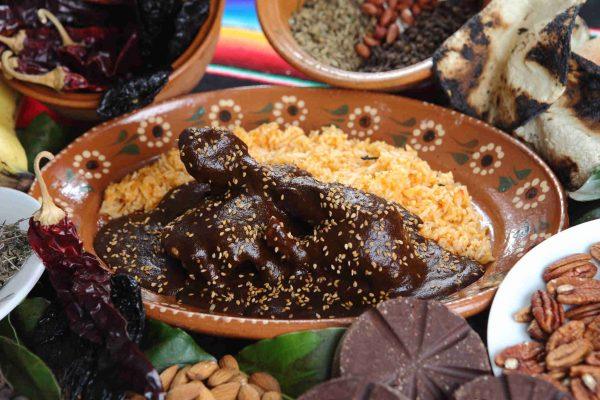
This influx of capital presents a golden opportunity for Latino-owned businesses, particularly in sectors like hospitality, gastronomy, and transportation—areas where the Latino workforce is heavily represented on the East Coast. Jose Tavarez, president of Bank of America New York, the official sponsor bank of the event, emphasized that small businesses are the backbone of the regional economy. He noted that traditional food restaurants, food trucks, grocery stores, and independent transport initiatives run by Latino families hold a key advantage: cultural affinity. Since a large portion of visitors will come from Latin American countries where football is a cultural pillar, the warmth of service in Spanish and shared cultural roots will be crucial in attracting recreational spending.
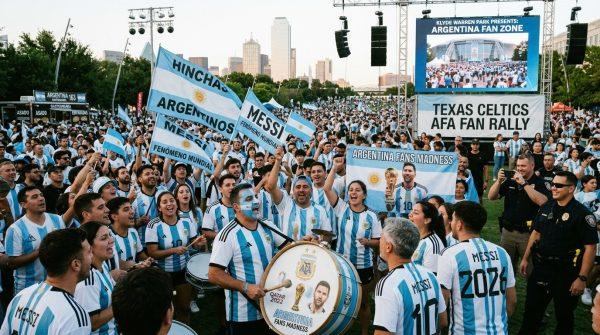
This isn't just about serving food; it's about creating an experience that resonates with fans from México, Argentina, Brazil, and beyond. For instance, a taquería in Jackson Heights or a bodega in Newark could become a home away from home for visitors, leveraging familiar flavors and language to build loyalty. The 2026 World Cup schedule includes matches that will draw crowds from across the Americas, making this cultural connection even more valuable.
Lessons from Post-Pandemic Trends
The projected economic impact is grounded in solid consumer trends. The Bank of America Institute reports a 25% global increase in spending on live entertainment and sporting events since the pandemic. During the 2025 FIFA Club World Cup, food and beverage spending in host zip codes rose 7% year-over-year. These patterns suggest that the World Cup will amplify existing demand, particularly in neighborhoods with strong Latino business presence.
However, experts warn that capturing this bonanza requires preparation. The difference between thriving and merely surviving lies in logistical readiness. Key recommendations include implementing flexible payment systems compatible with digital wallets, reinforcing inventory with high-turnover products, enabling online menus with translations and QR codes, and training temporary staff in advance to ensure top-notch service.
For Latino entrepreneurs, this is a moment to think beyond the tournament. As Hialeah's free rent initiative shows, local support can help small businesses thrive. Similarly, the World Cup can serve as a catalyst for long-term growth if businesses invest in digital infrastructure and customer experience.
Building a Lasting Legacy
While the tourist wave is temporary, businesses that deliver outstanding experiences will gain global visibility and an expanded customer base long after the final whistle. This success could solidify the legacy of Latino businesses as winners off the field, transforming a sporting event into a lasting economic boost for communities across New York and New Jersey.