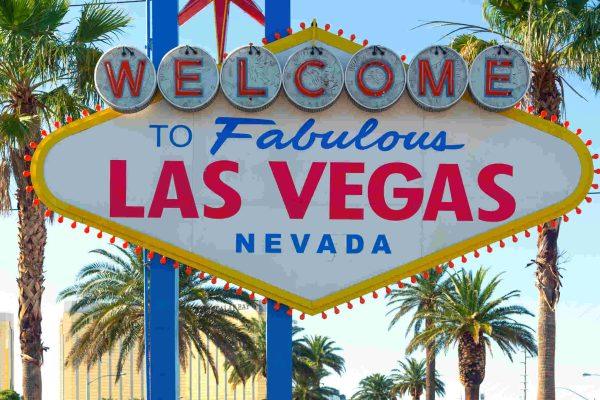
Las Vegas has long been a beacon for those seeking spectacle and fortune, but the desert city's neon glow is dimming as visitor numbers dwindle. According to recent data from the Clark County Department of Aviation, passenger traffic at Harry Reid International Airport dropped 8.4% in May 2026 compared to the same month last year. While officials note that May 2025 was an unusually strong month, the trend is hard to ignore for a city whose economy depends on a steady flow of tourists to fuel its casinos, hotels, and entertainment venues.
Domestic and International Travel Both Take a Hit
The decline is broad-based. Domestic travel fell 8.6%, while international arrivals and departures dropped 5.7%. The departure of budget carrier Spirit Airlines has exacerbated the situation, contributing to a 6.2% decrease in total passenger numbers over the first five months of 2026. Critics argue that a combination of rising costs, changing consumer habits, and global economic uncertainty is hitting the tourism sector harder than local leaders admit. For many Latino travelers from cities like México City, Bogotá, or Buenos Aires, the once-affordable getaway now feels out of reach.
This shift comes as the city prepares to host matches for the 2026 World Cup, an event that was expected to boost tourism. However, concerns about affordability and the presence of ICE at the tournament have already sparked fear in Latino communities, as reported in our coverage. The city's reliance on large crowds may face new challenges as travelers weigh costs and comfort.
Real Estate Strain Adds to the Pressure
Beyond the Strip, the Las Vegas real estate market—once booming from post-pandemic migration and investor speculation—is showing clear signs of weakness. A lack of demand and rising affordability pressures are creating uncertainty. This mirrors a broader trend seen in other US cities; as we noted in our analysis of renter behavior, Las Vegas leads in renters choosing to stay put rather than move. The combination of a cooling housing market and lower tourist spending raises uncomfortable questions about whether the city's rapid growth model has lost its momentum.
For many in the Latino diaspora, Las Vegas has been a destination for family reunions, quinceañeras, and cultural events. But as costs rise and the experience becomes less accessible, some are reconsidering. The city's ability to reinvent itself—once its greatest strength—now faces a test as it competes with other destinations across the Americas, from Cancún to Medellín.
As the World Cup approaches, Las Vegas must address these underlying issues or risk seeing its iconic Strip become a shadow of its former self. The flow of travelers that once seemed guaranteed can no longer be taken for granted.