For many Latino families across the United States, the decision to move or stay put often comes down to a simple calculation: can we afford to live here without sacrificing quality of life? A new report from Realtor.com suggests that in a handful of cities, the answer is increasingly yes.
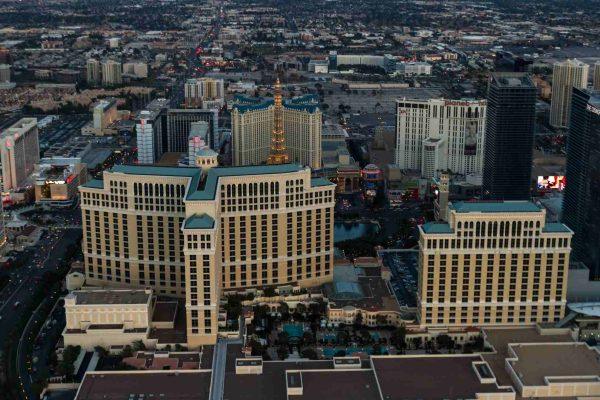
The data, which analyzed online rental search behavior in the first quarter of the year, found that Las Vegas leads the nation in tenant retention, with 70% of all rental inquiries coming from current residents rather than out-of-towners. That means people who already call Sin City home are choosing to stay, rather than packing up for cheaper pastures.
Where Renters Are Rooting Down
Following Las Vegas, the top five metro areas where locals are most likely to keep renting nearby are Austin, San Antonio, Houston, and San Diego. In each of these markets, a combination of stabilizing rent prices, expanding vacancy rates, and solid employment numbers is giving tenants little reason to leave.
Houston, in particular, has seen an 11% surge in local tenants searching for new rental units close to home between 2020 and 2026. That kind of loyalty doesn't happen by accident. It reflects a market where economic variables align with what people actually need to thrive.
Nationally, the median asking rent across the 50 largest metro areas has settled at $1,686, a 1.5% decline year over year. That steady three-year downward trend is a welcome shift for renters who have watched costs climb faster than wages for much of the last decade.
But affordability isn't just about the monthly check. As we've reported in how your rent budget stretches across US cities, the same dollar buys very different lifestyles depending on where you land. In cities like Houston and San Antonio, that dollar goes further, especially for Latino families who often prioritize proximity to community and family networks.
Why People Stay
The report points to several factors keeping residents rooted: stabilizing rents, higher vacancy rates, strong local job markets, and warmer weather. But there's also a cultural dimension that numbers alone can't capture. For many Latinos, staying put means staying close to familia, to familiar taquerías, to the quinceañera halls and mercados that make a neighborhood feel like home.
That sense of belonging is powerful. When economic conditions are balanced, people prioritize neighborhood continuity over the hassle and cost of cross-country relocation. It's a reminder that home isn't just a financial asset—it's a web of relationships and routines.
The Bigger Picture: Affordability and Algorithmic Pricing
While the downward rent trend offers some relief, the broader housing market remains under pressure. Roughly half of all US renters now spend more than 30% of their gross income on housing and utilities, a threshold that classifies them as rent-burdened. That leaves less money for healthcare, food, and transportation—the essentials that keep families afloat.
Meanwhile, the Department of Justice has filed lawsuits against major property management firms like Greystar, alleging they used shared software algorithms to artificially inflate rental prices. If proven, these practices would have bypassed standard market safeguards, making it harder for families to find fair deals. For Latino renters, who are disproportionately cost-burdened, such corporate tactics hit especially hard.
As the housing market continues to normalize after the pandemic-era frenzy, cities like Las Vegas and Houston offer a blueprint for what stable, community-centered rental markets can look like. But the work isn't done. Ensuring that rents stay within reach—and that families can stay in the neighborhoods they love—requires ongoing attention from policymakers, landlords, and communities alike.