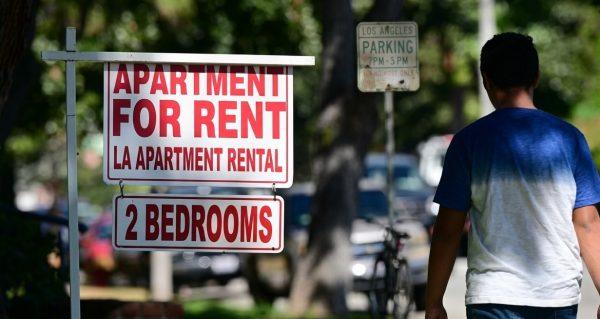
For the first time in four years, Los Angeles County rents have dipped to their lowest point, a shift that might sound like good news for anyone looking to move out on their own. But for recent college graduates entering the job market, the drop barely registers against the backdrop of stagnant entry-level salaries and the region's notoriously high cost of living.
According to a new report from Realtor.com, the downward correction in rental prices across LA County is real, but it's not enough to make housing truly affordable for the latest wave of young professionals. The report notes that while the market has cooled somewhat, the financial burden on graduates remains heavy, forcing many to rethink their living situations.
"The rent decrease is a positive sign, but it's a drop in the bucket when you look at what graduates actually earn," said a housing analyst quoted in the report. "We're seeing a generation that's educated and motivated, but they're being priced out of the very cities where the jobs are."
Budget realities for the new workforce
For many Latino graduates in Los Angeles, the dream of living independently in neighborhoods like Boyle Heights, East LA, or even parts of the San Fernando Valley is becoming increasingly elusive. The report highlights that young professionals are now allocating a larger share of their monthly income to rent than previous generations, even with the recent price drop.
Financial experts recommend that renters spend no more than 30% of their gross income on housing, but in LA County, that target is often out of reach. Many graduates are forced to share apartments with roommates or look for options in cheaper, more distant suburbs, adding long commutes to their daily routines.
This trend is especially pronounced among first-generation college graduates, many of whom are also supporting extended families. The pressure to find affordable housing is compounded by the need to send remittances to relatives in México, Guatemala, El Salvador, or other parts of Latin America.
"It's not just about paying rent," said a recent UCLA graduate from a Latino background. "I have to think about my parents back in Jalisco, and that changes how I budget. A $100 drop in rent helps, but it doesn't solve the bigger problem."
Market dynamics and future outlook
The rent decline is partly attributed to an increase in the supply of multi-family housing units across the county, as developers rush to meet demand. However, the report warns that this correction may be temporary. With inflation still eating into purchasing power and interest rates keeping homeownership out of reach for most young people, the rental market remains tight.
Property managers are now offering small concessions—like a month of free rent or reduced security deposits—to attract tenants, but these incentives are often limited to higher-end apartments. For graduates looking at more modest units, the competition remains fierce.
Meanwhile, Los Angeles housing voucher programs have helped some families avoid eviction, but they don't cover the majority of young renters. The report suggests that without broader policy changes, the gap between wages and rents will continue to widen.
Economists are closely watching these trends, noting that the financial stability of new talent is crucial for the region's long-term economic health. As grocery prices keep rising, young professionals are finding it harder to save for a down payment or even build an emergency fund.
"The rent drop is a Band-Aid on a deeper wound," said a financial advisor specializing in millennial and Gen Z clients. "Graduates need wages that reflect the cost of living in LA, not just a temporary dip in rent."
For now, many are adapting by diversifying their income through side hustles, gig work, or moving to peripheral suburbs with better public transit connections. The report concludes that while the market is showing signs of cooling, the dream of affordable independent living in Los Angeles remains just that—a dream for most new graduates.