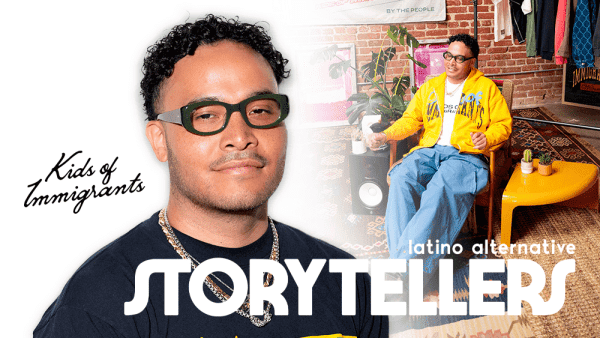
For Daniel Buezo, community isn't an abstract concept—it's a lived reality. The Hondureño entrepreneur, known for his expansive social circles, has channeled this innate ability to connect people into a powerful platform: the streetwear label Kids of Immigrants. As the brand nears its tenth anniversary, its mission remains steadfast: to redefine identity, culture, and pride through purpose-driven apparel.
More Than a Brand, a Community
"We always wanted to do something around Kids of Immigrants—we loved that name," Buezo shared in a recent interview. "We knew that's who we are, who we were yesterday, today, and tomorrow." Founded in May 2016 with Liberian-American partner Weleh Dennis, the label emerged from a desire to reclaim and celebrate the word "immigrant." Buezo notes the term can be triggering, but he and Dennis chose to approach it with love, focusing on shared roots and resilience.
At its core, Kids of Immigrants functions as a vibrant community. It fosters diversity in style and thought, transforming garments into conversation starters. Each piece is designed to carry the weight and beauty of personal narratives—stories of old homelands, preserved traditions, and the unique experience of building a life between cultures. When someone wears the brand, they're not just making a fashion statement; they're embodying a collective history.
"We told that story with love. We were celebrating our roots. We were celebrating our differences and our similarities. For us, this was a moment of pride—not running away from the word but running towards it."
The First-Generation Experience: A Shared Mosaic
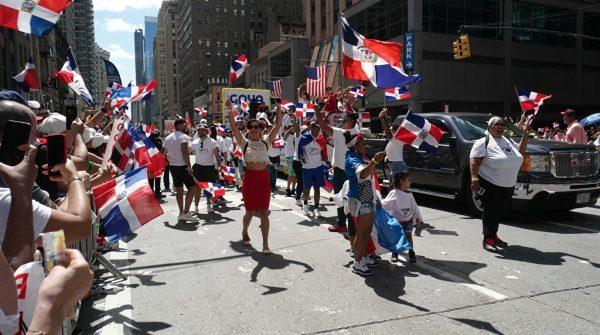
The brand speaks directly to the first-generation experience, a reality familiar to millions across the Latino diaspora. This is the feeling of being legally American yet emotionally tethered to another nation's history and customs. It's the negotiation of identity that happens at home, in school, and in public spaces. For many Latinos, this journey is further shaped by their proximity to their countries of origin—often just a flight away—and by deep indigenous and Afro-Latino roots that color their experience in the United States.
Buezo, reflecting on current social climates, acknowledges the challenges. "What's happening today is a cycle that continues to repeat itself. It hurts more today because it feels like we've done so much work, and how are we still here?" he says. In response, the brand's message has crystallized into a powerful declaration: "Build to Last and Here to Stay." It's an affirmation of resilience aimed at a community that continually navigates xenophobia while striving to thrive.
This focus on enduring legacy and cultural celebration resonates with broader movements in Latino arts and media. Just as artists like Rosalía push creative boundaries, or as Feid channels raw emotion into his performances, Kids of Immigrants uses fashion as a medium for authentic storytelling and identity affirmation.
Wearing the Questions, Honoring the Journey
Kids of Immigrants prompts wearers and observers to engage with fundamental questions. Can one proudly drape themselves in both the American flag and the flag of their ancestors? Is it possible to hold membership in multiple nations simultaneously? The brand suggests that rather than forfeiting one culture to assimilate into another, there is strength in synthesis.
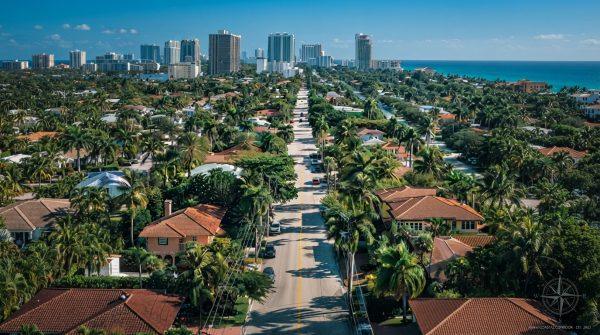
This philosophy extends beyond clothing. It's about building a sustainable future, much like the practical considerations many Latino families face when navigating retirement in the U.S., or the cultural shifts seen when retirees choose new destinations. It's about creating something that lasts.
Ultimately, Daniel Buezo's vision with Kids of Immigrants is to create a tangible sense of belonging. In a world that often demands simplified identities, the brand offers a space for complexity, pride, and shared history. It reminds us that the story of immigrants and their children is not a sidebar to the American narrative—it is central to its very fabric, continuously being woven with threads from Tegucigalpa, México City, San Juan, Bogotá, and countless other homes. To wear the label is to honor that ongoing, resilient story.