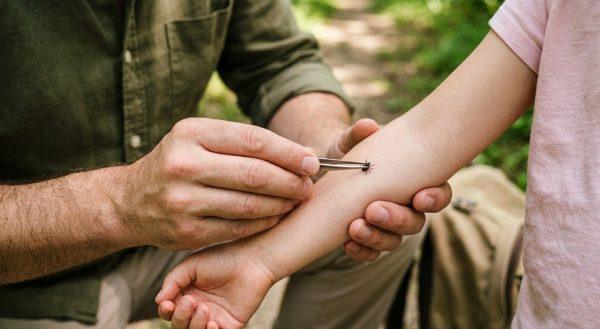
Health officials in New York have confirmed the presence of a rare tick-borne bacteria that was previously found only in the Midwest, marking a significant shift in the geography of this disease. The bacteria, which causes a condition that does not respond to conventional antibiotics, was detected in a patient in Suffolk County on Long Island after a tick bite in a local park. This case has prompted the New York State Department of Health to ramp up surveillance and public awareness efforts.
Climate Change and the Spread of Tick-Borne Diseases
Experts point to rising temperatures and changing weather patterns as key factors enabling the bacteria's migration eastward. For years, this pathogen was primarily associated with states like Missouri, where cases were more common. However, warmer winters and longer summers are creating favorable conditions for ticks to survive and expand their range. This shift is not unique to New York; similar patterns have been observed with other vector-borne diseases across the Americas, including the hantavirus threat moving east as new rodent carriers are found in Virginia.
The lack of prior exposure to this bacteria in the Northeast complicates diagnosis, as many local doctors may not immediately recognize the symptoms. This underscores the need for continuous monitoring and public education. The state health department is working closely with the National Institutes of Health to understand how the bacteria is adapting to new environments.
What to Watch For: Symptoms and Treatment
Early detection is critical because this infection does not respond to standard antibiotics, unlike Lyme disease. The therapeutic approach focuses on managing symptoms, such as fever and dehydration. Key signs to watch for include a sudden high fever, intense headaches, extreme fatigue, and a skin rash near the bite site. If you experience any of these after spending time outdoors, seek medical attention immediately.
Health officials emphasize that self-medication is not advisable, as common drugs may be ineffective. Instead, maintaining communication with a healthcare provider is essential while the body fights the infection. This condition is a reminder that midlife health signs should not be ignored, especially for Latinos who may face disparities in access to timely care.
How to Stay Safe During Tick Season
You don't have to avoid nature, but you should adjust your routines. Use DEET-based repellent on skin and clothing, and wear light-colored clothing to spot ticks easily. After returning home, inspect your body and pets thoroughly. These simple steps can make a real difference.
As summer activities increase, so does the risk of tick encounters. The state health department is committed to transparency, providing updated data to help residents make informed decisions. This case is a reminder that the geography of diseases is constantly changing, and adapting our habits is a shared responsibility. For more on how environmental changes affect health, see our report on flesh-eating bacteria arriving early on US coasts.