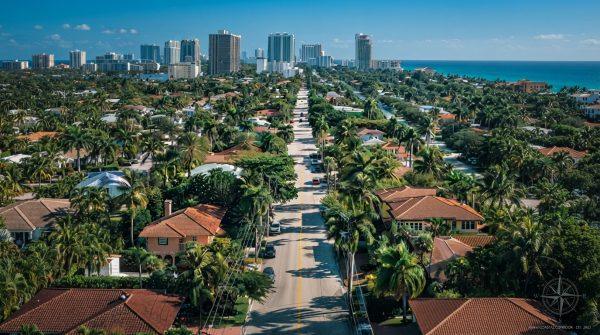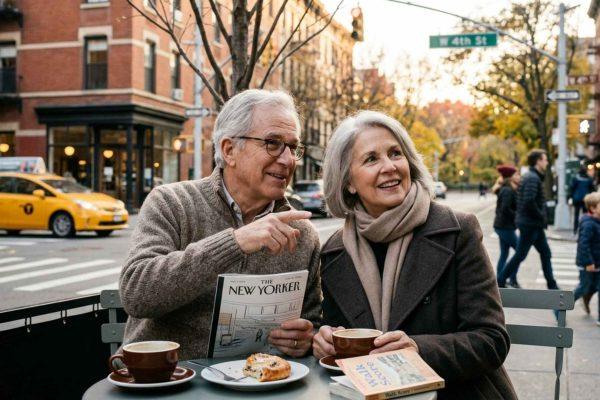
For generations, the American retirement playbook seemed set in stone: after decades of work, you traded the bustling city for a sun-drenched, car-dependent community in Florida or Arizona. That script is being rewritten. According to an analysis from the CUNY Graduate Center, approximately 15,700 seniors moved to New York City in 2023—a striking 40% increase from pre-pandemic figures. This reverse migration signals a profound shift in what a fulfilling retirement looks like, with urban energy and convenience now rivaling the allure of palm trees and golf courses.
The Allure of the 15-Minute City
A primary driver of this trend is New York's inherent walkability. With a Walk Score of 88, the city organically supports a lifestyle where pharmacies, clinics, supermarkets, and cultural venues are just steps away. For older adults choosing to stop driving or who never wanted to rely on a car, this infrastructure grants a level of independence and spontaneity that is difficult to find in sprawling suburban retirement communities. The city itself becomes a support system, enabling an active, engaged daily life.
Health and social connectivity have emerged as new non-negotiable priorities. New York consistently ranks among the best U.S. cities for aging in place, thanks to its density of top-tier hospitals and medical specialists. But the benefits extend beyond clinical care. Proximity to a young, diverse population and a constant calendar of events—from theater and museums to concerts in the park—provides a powerful antidote to the isolation that can sometimes accompany retirement. This active social participation is now a key metric for quality of life.
Weighing the Cost of a Cosmopolitan Life
This urban retirement dream, of course, comes with a famously high price tag. New York is one of the most expensive cities in the world and carries a significant tax burden. However, for retirees with mid-to-high incomes, the calculus is changing. The elimination of costs associated with car ownership—insurance, maintenance, fuel—can offset some expenses. Furthermore, savvy financial planning can leverage local tax exemptions for seniors, making a cosmopolitan lifestyle a financially viable next chapter for those who built wealth during their careers.
The trend reflects a deeper evolution in the concept of retirement "success." For a growing number, vitality is valued over absolute tranquility. The intellectual and cultural stimulation of trying a new restaurant in Jackson Heights, catching a show on Broadway, or simply people-watching in Washington Square Park offers a reward that a secluded beachfront property cannot match. It's a move away from retiring from life and toward retiring into it, with the city as the ultimate stage.
This shift could have lasting implications for urban policy and planning. As cities like New York attract more seniors, demand will grow for accessible housing, age-friendly public spaces, and community programs that foster intergenerational connection. The message from today's retirees is clear: they seek engagement, not escape. And in a city that celebrates its Latino communities through events, cuisine, and landmarks—like recent proposals to honor soccer icons Pelé and Thierry Henry—that engagement feels particularly rich and dynamic.
While the story centers on a U.S. demographic shift, it resonates with a bicultural Latino audience familiar with navigating multiple worlds. The choice between vibrant community life and quieter retreats is a universal consideration, and the cultural offerings that make New York appealing—from the global sounds of artists like Bad Bunny to the cinematic influence of stars like Jennifer Lopez—are deeply interwoven with Latino creativity. This isn't just about where Americans are retiring; it's about what they are retiring to: a connected, culturally abundant life.