In a real estate transaction that reads like a thriller novel, a sprawling mansion in Alpine, New Jersey—valued at tens of millions—was sold for the symbolic price of just $10. The buyer? Daniyar Kessikbayev, the son-in-law of former Malaysian Prime Minister Najib Razak, who is currently serving time for his role in the massive 1MDB corruption scandal. The deal has reignited scrutiny over how opaque money flows into U.S. luxury properties.
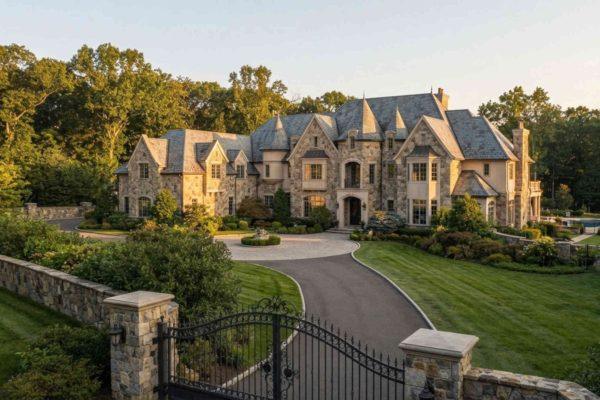
The property at 2 Margo Way is no ordinary home. Built in 2000 by construction magnate Joe Scott, the 17,150-square-foot estate boasts nine bedrooms, a full basketball court, a private bowling alley, a theater, a wine cellar, and two pools. In 2012, it set a New Jersey record when a shell company linked to Kessikbayev purchased it for $20 million in cash. Now, despite the nominal sale price, the mansion’s tax assessment stands at $35.5 million, a figure that underscores the gap between its official valuation and the scandal-tinged transaction.
A Web of International Scandal
Kessikbayev’s acquisition is just the latest chapter in a saga that spans continents. His mother, Maira Nazarbayev, is the former daughter-in-law of Kazakhstan’s late dictator, and the family has been embroiled in legal battles over alleged embezzlement exceeding $100 million. Fraud accusations, kidnappings, and even unpaid luxury goods like Birkin bags have surfaced in court documents, painting a picture of a clan that has leveraged political connections to acquire wealth through questionable means. The mansion, once a symbol of family splendor, now stands as a monument to how opaque transactions can turn a palace into a legal minefield.
The deal has drawn attention from authorities in both the U.S. and abroad, as investigators probe whether the $10 sale was a deliberate attempt to shield assets from creditors or legal judgments. Critics argue that such transactions exploit loopholes in the U.S. real estate system, allowing questionable fortunes to flow into prime properties without proper scrutiny. For New Yorkers and international observers, the Alpine mansion has become a case study in the intersection of luxury, power, and impunity.
Interestingly, the mansion’s original builder, Joe Scott, has publicly criticized the treatment of the property under its current owners, lamenting the radical interior design changes that have altered his vision. Yet, for all the controversy, the estate remains a trophy asset in one of New Jersey’s most exclusive enclaves, a community that has seen its share of high-profile residents, including Latino stars like Bad Bunny and Shakira, who have invested in luxury homes across the region. Inside the luxury mansions of Bad Bunny, J.Lo, and Shakira: A look at Latino star real estate offers a glimpse into how other celebrities navigate this market.
The $10 sale has also sparked comparisons to other eyebrow-raising real estate deals, such as the recent $115 million mansion in Tampa that set a luxury record with its go-kart track and private museum. Tampa's $115 million mansion sets new luxury record with go-kart track and private museum highlights how the ultra-wealthy continue to push boundaries, even as scandals like this one raise questions about the origins of their wealth.
As the legal battles continue, the Alpine mansion remains at the center of a global drama that shows no signs of cooling. For the Latino community, which has deep ties to both the U.S. and Latin America, this story serves as a reminder of how political connections and opaque transactions can ripple across borders, affecting everything from real estate markets to public trust. New Jersey exhibit traces 250 years of Latino impact on US history offers a broader context on how communities in this state have shaped the nation’s narrative, even as scandals like this one capture headlines.