In the vast, sun-scorched expanse of the Mojave Desert, an unlikely team is gearing up for a mission that could change the fate of California's mountain lions. Their tools aren't high-tech gadgets or tranquilizer darts—they're noses. Specially trained rescue dogs are being deployed to sniff out animal droppings, a surprisingly effective way to gather crucial data about wildlife populations that have been cut off by one of Southern California's busiest highways.
The project, centered near Joshua Tree National Park, focuses on State Route 62, a road that has become a deadly barrier for animals trying to move between the desert and the San Bernardino Mountains. For decades, this highway has fragmented habitats, and conservationists worry that the resulting isolation is leading to inbreeding among mountain lions—a problem that could threaten their long-term survival.
Why scat matters
Instead of relying on sightings or GPS collars, researchers are turning to DNA analysis of animal droppings. Each scat sample contains genetic material that can reveal an individual animal's identity, its family relationships, and whether it's moving between different areas. This information is vital for understanding how highway barriers affect wildlife populations.
For mountain lions, which require vast territories and genetic diversity to thrive, the stakes are high. When populations become isolated, they lose access to unrelated mates, leading to inbreeding and a host of health problems. Conservationists have already observed physical signs of inbreeding in some local mountain lions, underscoring the urgency of the situation.
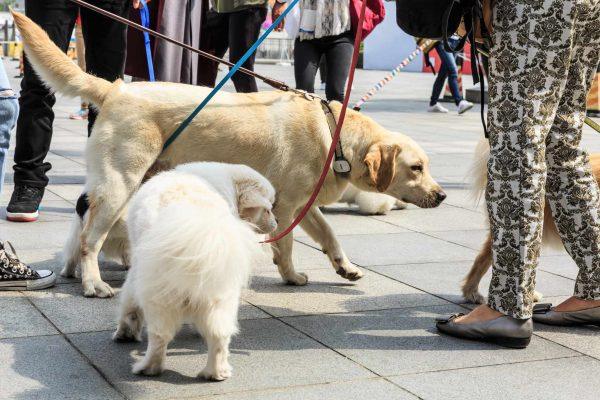
The dogs, many of them rescues trained by Rogue Detection Teams, are proving invaluable. Their keen sense of smell allows them to locate scat that would be nearly impossible for humans to find, even in the rugged desert terrain.
A highway that divides
The scale of the problem is stark. A California transportation study documented 232 animal carcasses along the State Route 62 corridor over just 13 months, a grim reminder of the road's toll on wildlife. But the less visible impact—genetic isolation—may be even more damaging in the long run.
To address this, conservationists are proposing two wildlife crossings that would reconnect habitats on either side of the highway. The idea is to give animals a safe way to cross, allowing them to mingle and breed with populations on the other side. But before investing millions in construction, scientists want to know if these crossings will actually work.
That's where the scat-sniffing dogs come in. By collecting DNA samples before and after the crossings are built, researchers can compare the data to see if animals are truly moving between populations. This evidence will be crucial in determining whether the crossings are a worthwhile investment.
California has already embraced wildlife connectivity projects, with several crossings completed or in development across the state. The Joshua Tree project, however, is still in the planning phase. The Mojave Desert Land Trust hopes to finish most of the groundwork by 2029, but construction will depend on securing additional funding.
For now, the desert holds its secrets, waiting for a dog's nose to uncover them. What might sound like an unusual scientific experiment could ultimately determine whether mountain lions and other wildlife can continue to roam freely through one of California's most iconic landscapes.
As California grapples with the challenges of balancing development and conservation, this innovative approach offers a glimmer of hope. It's a reminder that sometimes the most effective solutions come from the most unexpected places—and that even the humble act of collecting poop can play a pivotal role in preserving the natural world.