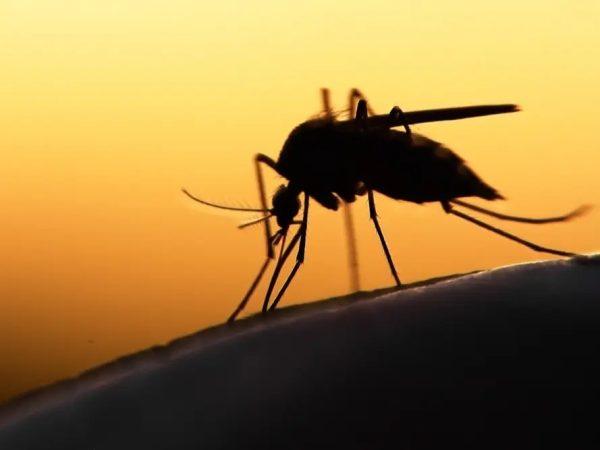
Alphabet, Google's parent company, is seeking federal approval to release up to 32 million laboratory-bred mosquitoes in select California neighborhoods over the next two years. The initiative, known as Debug, aims to curb the spread of dangerous viruses like dengue, Zika, and West Nile by targeting the insects that carry them.
The project relies on a naturally occurring bacterium called Wolbachia. Scientists will infect male Culex mosquitoes—the species responsible for transmitting these viruses in urban areas—with the bacteria. When these modified males mate with wild females, the resulting eggs fail to hatch, gradually reducing the overall mosquito population.
This approach is not new to Latin America. In countries like Brazil, Colombia, and México, similar Wolbachia-based programs have been deployed to combat dengue and other mosquito-borne illnesses. The World Mosquito Program, for instance, has released infected mosquitoes in Medellín and Rio de Janeiro with promising results. California's plan, however, marks the first large-scale use of this technology in the United States.
How the Technology Works
Debug uses automated laboratories and precision robotics to breed and sort millions of male mosquitoes. Artificial intelligence algorithms coordinate the mass production, ensuring only males—which do not bite—are released. Females are the ones that feed on blood and transmit diseases, so the release of sterile males poses no additional bite risk to residents.
Local vector control agencies have expressed support for the plan, as traditional chemical pesticides have become less effective against resistant mosquito populations. The EPA is accepting public comments on the proposal until June 5 before making a final decision.
For Latino communities in California, where dengue and Zika outbreaks have historically hit harder due to factors like housing density and limited access to healthcare, this could be a significant public health intervention. However, some residents remain skeptical, fearing unintended ecological consequences.
“We understand the science, but we also remember past experiments that went wrong,” said María González, a community organizer in Fresno, where the releases are planned. “We want to make sure our neighborhoods aren't treated like test labs.”
Researchers emphasize that Wolbachia is already present in many insect species and that the modified mosquitoes will not survive long after release. The bacterium does not affect humans, pets, or other wildlife.
California's housing crisis and rising costs have pushed many Latino families to the margins, as highlighted in our report on California's Housing Market Hits Record $914K, Pushing Working-Class Latinos Out. For those living in densely populated areas, mosquito-borne diseases add another layer of vulnerability.
The Debug project is part of a broader trend of tech companies entering public health. While the approach is innovative, it also raises questions about corporate oversight and community consent. As the EPA deliberates, the debate over whether Silicon Valley can solve problems created by urbanization and climate change continues.
For now, California stands at the forefront of a biotech experiment that could reshape how we fight infectious diseases—not just in the U.S., but across the Americas.