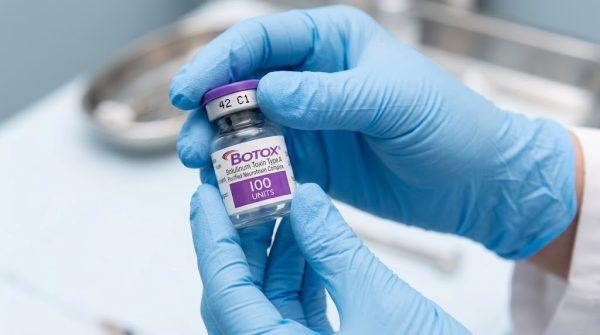
In a case that has sent ripples through California's medical community, a Glendale doctor has been sentenced to 15 years in federal prison for orchestrating a massive Medicare fraud scheme. Dr. Violetta Mailyan, 45, was convicted on nine counts of wire fraud and three counts of obstruction of justice after prosecutors proved she billed the government more than $45 million for Botox injections that were either medically unnecessary or never performed.
The scheme, which ran for years, targeted Medicare's coverage of Botox as a treatment for chronic migraines. But instead of treating patients with legitimate medical needs, Mailyan administered the injections for cosmetic purposes or to individuals who lacked proper referrals. In many cases, she billed for patients who never even visited her clinic, Healthy Way Medical Center.
Federal investigators uncovered that Mailyan submitted over $19 million in claims for injections supposedly performed on days when the clinic was closed—including during her vacations in Cabo, Hawaii, Las Vegas, Pennsylvania, and New York. At one point, she billed more than $200,000 for patient care in California while she was relaxing on Mexican beaches. The court called the fraud "astonishingly brazen."
A lavish lifestyle funded by stolen healthcare dollars
The stolen funds fueled a lifestyle that included a 17th-century crossbow valued at $12,000, a $3,000 painting, two Teslas—including a Cybertruck—and five California real estate properties. Federal agents seized over $16 million in assets, including real estate, securities, and bank accounts, and ordered Mailyan to pay $32,904,049.41 in restitution to Medicare.
When Mailyan learned of the federal investigation, she tried to cover her tracks by falsifying medical records and forging patient signatures. Prosecutors presented evidence of altered records for a man who was in federal prison custody on the exact dates the clinic claimed to have treated him for migraines.
The case highlights the federal government's intensified crackdown on healthcare fraud, particularly in the cosmetic and aesthetic medicine sector. As Los Angeles faces other pressing issues, this conviction serves as a warning to providers who view Medicare as an easy payday.
Department of Justice officials emphasized that the sentence reflects the severity of the crime. "This defendant stole from a program designed to help the most vulnerable among us," said a spokesperson. "Asset forfeitures and restitution orders send a clear message that such abuse will not be tolerated."
For the Latino community in Los Angeles and across the country, this case resonates because many families rely on Medicare for their healthcare needs. Fraud like this not only wastes taxpayer dollars but also undermines trust in the system. As luxury real estate markets continue to attract international buyers, the contrast between Mailyan's ill-gotten gains and the struggles of everyday patients is stark.
Oversight agencies have promised stricter monitoring of aesthetic clinics and medical centers throughout California. Federal auditors will implement more rigorous verification protocols to catch reimbursement inconsistencies, ensuring that public funds are used for legitimate medical care.
Mailyan's case is a cautionary tale for any healthcare provider tempted to exploit the system. It also serves as a reminder that Medicare fraud is not a victimless crime—it affects every taxpayer and every patient who depends on these programs. As the city grapples with housing affordability, the diversion of millions from healthcare to personal luxury is a bitter pill to swallow.