Every year, cities across the globe transform into living stages where music, tradition, and community collide. From the thunderous samba drums of Rio de Janeiro to the serene candlelit processions in Oaxaca, these festivals are more than just tourist attractions—they are windows into the soul of a culture. For bicultural Latinos, many of these celebrations feel familiar, echoing the vibrant gatherings we grew up with, from quinceañeras to carnival blocks in our hometowns.
Rio de Janeiro: The Undisputed King of Carnivals
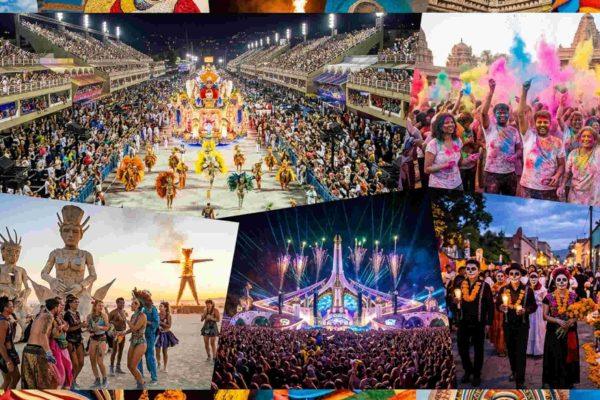
When February rolls around, Rio de Janeiro becomes the epicenter of global festivity. The Carnival at the Sambadrome is a spectacle of color, rhythm, and sheer scale. Samba schools spend months preparing elaborate floats and choreography, competing for the title of champion. It’s a tradition that defines Brazilian identity—a blend of African, Indigenous, and Portuguese influences that pulses through every note. For many Latinos, this is the ultimate bucket-list event, a celebration of resilience and joy that mirrors our own cultural traditions.
Europe’s Grand Stages: Vienna, Venice, and Beyond
Across the Atlantic, Vienna’s Donauinselfest offers a different kind of magic. Held on an island in the Danube River, this free festival draws over two million attendees each year, making it Europe’s largest open-air music event. From rock to electronic, it’s a democratic celebration of sound. Meanwhile, the Venice Carnival in Italy captivates with its mysterious masks and historical costumes, turning the city into an open-air theater for two weeks. These European festivals, while distinct, share a common thread with Latin American carnivals: the power of public space to unite people.
Mysticism and Modernity: From Oaxaca to Nevada
In México, the Day of the Dead in Oaxaca is a deeply spiritual affair. From October 31 to November 2, families build altars adorned with cempasúchil flowers, light candles, and hold processions to honor their ancestors. It’s a tradition that has gained global recognition, but for Latinos, it’s a intimate ritual of remembrance. Contrast that with Burning Man in the Nevada desert, where an ephemeral city rises from the dust, dedicated to self-expression and art. Both festivals, though worlds apart, invite participants to step outside daily life and connect with something larger.
Electronic Giants and Global Gatherings
Belgium’s Tomorrowland is the undisputed heavyweight of electronic music, known for its fantasy-themed stages and top-tier DJs. It’s a pilgrimage for dance music lovers worldwide. In the UK, Glastonbury remains a cultural touchstone, blending music, activism, and rural charm. Hungary’s Sziget Festival turns Budapest’s Óbuda Island into a multicultural hub with workshops, circus acts, and concerts. These events are not just about music—they’re about building community across borders, something that resonates with the Latino diaspora’s experience of navigating multiple worlds.
Asia’s Colorful Celebrations
India’s Holi Festival, known as the Festival of Colors, marks the arrival of spring with vibrant powders and water fights. It’s a celebration of good over evil, joy over sorrow. South Korea’s Boryeong Mud Festival takes a more playful approach, with mud wrestling, slides, and skincare benefits. Both festivals highlight how outdoor entertainment and community interaction can create lasting memories. For Latinos, these traditions offer a glimpse into how other cultures honor nature and renewal, much like our own ancestral practices.
Whether you’re dancing in Rio’s Sambadrome, floating on Vienna’s Danube, or lighting a candle in Oaxaca, these festivals remind us that culture is alive, evolving, and meant to be shared. They are not just events—they are invitations to experience the world through the eyes of others, and to see ourselves reflected in the universal language of celebration.