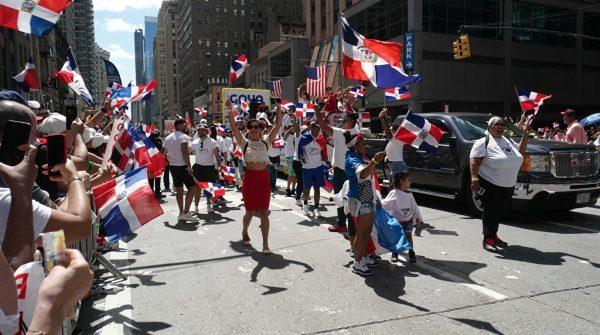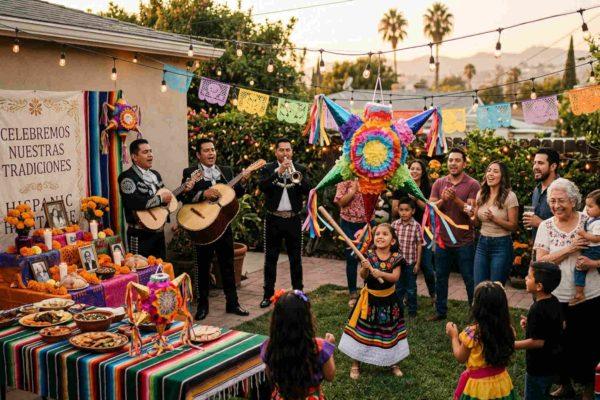
For many young Latinos growing up in the United States, staying connected to their roots is not just about nostalgia—it's a daily act of identity. Whether it's a quinceañera in Houston, a Día de los Muertos altar in Los Angeles, or a Sunday asado in Miami, these traditions evolve without losing their essence. They become a bridge between the world their parents left behind and the one they are building here.
Adapting Without Losing the Soul
The success of Latino customs lies in their flexibility. A Gen Z teen in Chicago might celebrate Three Kings Day with a mix of tamales and pizza, or dance to reggaetón at a family party while texting in Spanglish. This adaptability is not a dilution but a reinvention. As the writer and scholar Gloria Anzaldúa once said, living on the borderlands means creating a new culture—one that honors both sides.
Take the tradition of la quinceañera, for example. In cities like San Antonio and New York, these celebrations now often include a choreographed dance to Bad Bunny or Rosalía, blending the ritual's Catholic roots with contemporary pop. The core meaning—marking a girl's transition into womanhood—remains intact, but the expression is updated for a bicultural reality.
Food, Language, and the Everyday
Food is perhaps the most tangible link. A family recipe for arroz con pollo or arepas passed down from a grandmother in Bogotá or Caracas becomes a story told in every kitchen. In the U.S., these dishes are often adapted with local ingredients, but the act of cooking together reinforces family bonds and cultural memory. Similarly, proverbs and sayings—“dime con quién andas y te diré quién eres”—are used to teach lessons, break the ice, or add humor to any situation, keeping the language alive across generations.
Music also plays a central role. From salsa and bachata to corridos and reggaetón, the soundtrack of a Latino household in the U.S. is a mix of old and new. Artists like Shakira and Rosalía have become global icons, but their music still carries the rhythms and stories of their homelands. For a deeper look at how these artists navigate fame and identity, check out our piece on Shakira's Financial Surge vs. Piqué's Real Estate Drain and Rosalía's role in 'Euphoria' Season 3.
Community as a Living Archive
These traditions are not static relics; they are living archives that adapt to new contexts. In cities like Los Angeles, community organizations host workshops on making tamales or building altars for Día de los Muertos, ensuring that younger generations learn the skills and stories behind the practices. Social media also plays a role: a TikTok of a family making buñuelos at Christmas can reach millions, creating a virtual community of shared experience.
For many, maintaining these customs is a way to resist the pressure to assimilate completely. As one young Latina from Phoenix told us, “My abuela taught me to make enchiladas from scratch. Every time I cook them, I feel like she's with me. It's my way of saying, 'I remember where I come from.'”
The Future of Latino Identity
In a globalized world where cultures often blend into a generic mix, Latino traditions serve as an anchor. They remind us that identity is not a single note but a chord—made up of different countries, languages, and histories. Whether you're from México, Puerto Rico, El Salvador, or Colombia, the act of celebrating together—whether at a fiesta, a posada, or a carnaval—is the best way to honor our shared heritage while embracing our unique paths.
As the U.S. Latino population continues to grow, these traditions will keep evolving. But their core purpose remains: to make us feel at home, no matter where we are. For more on how Latino artists and performers are shaping culture today, see our coverage of Elvis Nolasco's journey from NYC breakdancer to the big screen and Tini Stoessel's return to acting.