In the heart of New York City, where the cost of living keeps climbing, a quiet but powerful movement is taking root. Across Upper Manhattan and the Bronx, Latino families are redefining what community support looks like—one crate of tomatoes, one bunch of cilantro, one shared recipe at a time. This is not charity in the traditional sense; it's a cultural revival, a health intervention, and a statement of dignity.
Jacinta Rivera, a Dominican grandmother from Washington Heights, knows the stakes firsthand. At 56, she received a diabetes diagnosis that forced her to rethink everything on her plate. Processed foods, sugary drinks, artificial everything—she had to cut them out. But when she walked into her local supermarket, the prices for fresh produce felt like a second diagnosis. "I wanted to do right by my health," she says, "but my budget wasn't cooperating." Her story echoes across thousands of households in the boroughs, where even full-time workers struggle to afford basic nutrition.
From Hunts Point to the classroom
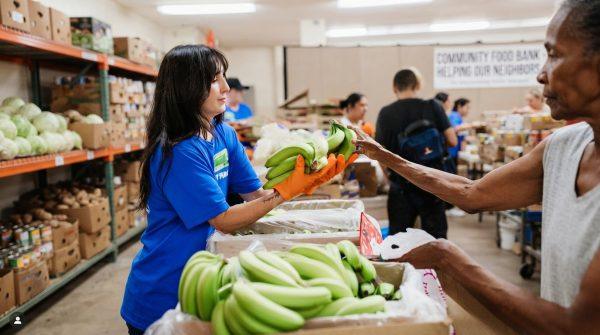
Enter Verde Vida, a nonprofit that has turned this struggle into a movement. Every weekend, volunteers transform public school cafeterias and gyms into vibrant markets. Tables overflow with leafy greens, ripe mangoes, and crisp peppers—all free, no questions asked. The produce comes from partnerships with 21 wholesale merchants at the Hunts Point Produce Market, the largest such facility in the world. Instead of letting perfectly good food go to waste, these distributors donate items that are still fresh but might not make it to retail shelves.
What sets Verde Vida apart is its refusal to gatekeep. There are no income forms, no immigration checks, no bureaucratic hurdles. "We don't want to know who you are or how much you earn," explains one of the founders. "If you're here, you're family." This approach has built deep trust in neighborhoods that have historically been overlooked by larger aid programs. It's a model that treats nutrition as a right, not a privilege.
The impact is tangible. Nutrition experts from the New York City Department of Health have noted the positive effects of such direct distribution, especially in the four school districts where Verde Vida operates. Chronic conditions like diabetes and hypertension are closely linked to diet, and access to fresh food is a proven preventive measure. But the benefits go beyond the physical.
More than food: a cultural exchange
On any given Saturday, you'll hear the sounds of bachata or salsa drifting from a school auditorium. While parents select their vegetables, kids might be coloring or playing. Volunteers, many of them local residents, offer tips on how to store a bunch of kale or how to make a sofrito from scratch. "This is not just about handing out food," says María, a volunteer from the Bronx. "It's about sharing our knowledge, our traditions. My grandmother taught me how to cook with whatever was available, and now I'm passing that on."
This exchange is vital. For younger generations raised on fast food and convenience, the movement is a reconnection to culinary roots. It's a reminder that a healthy meal doesn't have to be bland or expensive. Traditional recipes—like a hearty sancocho or a fresh ceviche—are celebrated, not just tolerated. The weekly gatherings have become a space where culture and nutrition intersect, where the act of eating becomes an act of identity.
The movement also chips away at the stigma often attached to food assistance. Instead of a sterile, impersonal pantry, these events feel like a neighborhood fiesta. There's music, laughter, and a sense of shared purpose. "We want people to feel proud to come here," says another organizer. "This is not a handout; it's a community coming together to take care of its own."
For families like Jacinta's, the difference is life-changing. She now fills her cart with spinach, bell peppers, and avocados—items she once considered luxuries. Her blood sugar levels have improved, and she's even started a small container garden on her fire escape. "I never thought I'd be this excited about vegetables," she jokes. But her excitement is real, and it's spreading.
As the fresh food movement continues to grow, it's clear that this is more than a stopgap measure. It's a blueprint for how communities can address systemic issues with creativity and heart. In a city where inequality often feels insurmountable, these school-based markets are a reminder that change starts at the grassroots. And for the Latino families of Upper Manhattan and the Bronx, that change tastes pretty good.