Every Fourth of July, Los Angeles becomes a stage where Latino families rewrite the script of American patriotism. Across the city, from the sprawling lawns of Griffith Park to the downtown pulse of Grand Park, thousands gather not just to watch fireworks but to reclaim public space with music, food, and the kind of warmth that defines a carnaval. This year, the celebration feels especially vibrant—a reflection of how deeply Latino culture has shaped the city's identity.
In neighborhoods like Boyle Heights, East LA, and Koreatown, the holiday is less about political symbolism and more about the simple joy of gathering. Families arrive early, claiming spots under the sun with coolers full of aguas frescas, grilled corn, and homemade salsas. Children run between blankets while adults catch up on the latest gossip, the scent of carne asada drifting through the air. It's a scene that could be in Guadalajara, San Salvador, or Bogotá—but here, it's pure Los Angeles.
Where to Find the Best Free Fireworks and Concerts
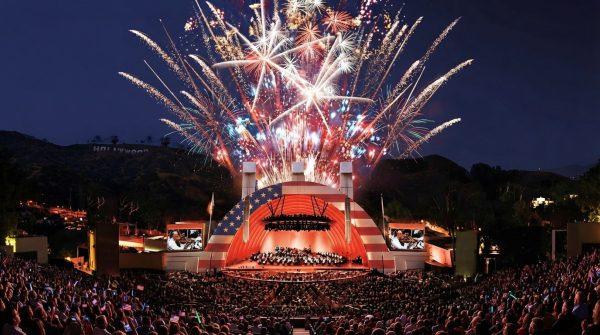
The city's parks are the heart of the celebration. Griffith Park, a longtime favorite, offers vast green spaces perfect for picnics and family games. As dusk falls, the sky above the Hollywood sign lights up with pyrotechnics that feel almost intimate, despite the crowds. Grand Park, in the heart of downtown, hosts live concerts featuring local bands and DJs, blending cumbia, reggaetón, and rock en español into a soundtrack that keeps everyone dancing until the final burst of color.
Marina del Rey provides a different kind of magic: fireworks reflecting off the water, with the Pacific breeze keeping the summer heat at bay. Here, the crowd is a mix of longtime residents and newcomers, all sharing the same awe as the sky explodes in red, white, and blue. For those who prefer a quieter evening, neighborhood parks across the city—from Echo Park to Van Nuys—offer smaller gatherings where the focus is on community rather than spectacle.
If you're planning to attend, arrive early. Traffic around major venues can be heavy, and street closures are common. Public transportation is your best bet, especially the Metro lines that connect downtown to the Valley and the Westside. Stay hydrated, bring sunscreen, and check each venue's official website for any last-minute changes. For more tips on navigating the city, check out our guide on Essential Rules for Visiting Los Angeles in 2026.
More Than a Holiday: A Celebration of Community
What makes these gatherings special is how they transcend the official holiday. For many Latino families, the Fourth of July is an excuse to cook traditional recipes—tamales, elotes, pupusas—and share them with neighbors who might come from different countries but share the same love for good food and good company. It's a reminder that patriotism in a city like LA is not about flags alone; it's about the everyday acts of connection that build a community.
This year, the celebration also carries a deeper significance. As the city continues to grapple with issues of housing and economic inequality, events like these offer a rare moment of unity. The recent approval of a $2 billion housing project in Skid Row, as reported in Los Angeles Approves $2B Skid Row Housing Project with 1,500 Affordable Units, shows that the city is investing in its future. But on the Fourth, the focus is on the present—on the joy of being together.
For those who want to extend the celebration, consider attending La Chona Fest, where Los Tucanes de Tijuana turn a classic into a cultural event that captures the spirit of the weekend. It's a perfect example of how Latino creativity continues to shape LA's cultural landscape.
Ultimately, the Fourth of July in Los Angeles is a testament to the city's ability to blend traditions. Whether you're watching fireworks over the ocean or dancing to banda in a neighborhood park, the message is clear: this city belongs to everyone. And for Latinos, that sense of belonging is the most powerful celebration of all.