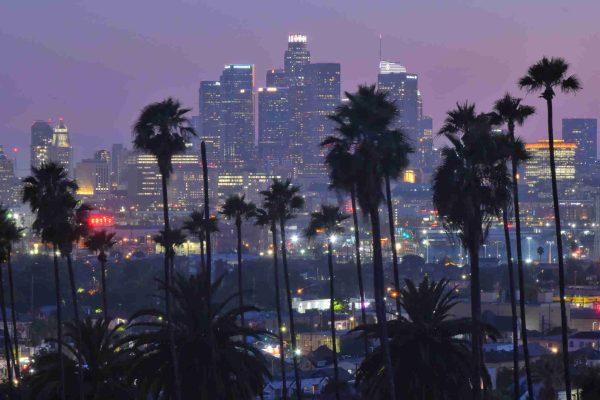
Los Angeles in 2026 is a city of neighborhoods, each with its own rhythm, flavors, and unwritten codes. For the bicultural Latino traveler, understanding these local customs is the key to unlocking an authentic experience beyond the palm-tree postcards. Forget the movie-set expectations; the real L.A. is a sprawling, vibrant network of communities where Spanish, Korean, Thai, and countless other languages blend into a unique Angeleno dialect.
Navigating the City's Linguistic and Cultural Landscape
One of the first surprises for visitors is how locals pronounce place names with Spanish origins. You'll hear "Los Fee-liz" instead of "Los Feh-leez," and "San Pee-dro" rather than "San Peh-dro." It's not a sign of disrespect; it's simply the local vernacular. Embracing these anglicized versions will help you blend in and avoid puzzled looks. Similarly, while headlines often focus on homelessness and safety, the reality is that downtown L.A., Little Tokyo, and neighborhoods like Boyle Heights offer incredible architecture, murals, and cultural institutions that are well worth exploring. Just exercise the same street smarts you would in any major city.
Maximizing Your Time and Budget
To truly experience L.A., you need a strategy. The city's size and traffic are legendary, so planning your itinerary by geographic proximity is essential. Grouping visits to the Arts District with Little Tokyo, or a day in Koreatown with a hike at Griffith Park, can save hours. Renting a car remains the most practical option for most visitors, but be prepared for peak-hour congestion. Alternatively, consider using ride-share services strategically, especially for short trips within a dense area. Parking can be expensive, especially near major venues like SoFi Stadium, which will be a hub for the 2026 World Cup. Check out our guide on World Cup 2026 parking costs to plan ahead.
Food, Culture, and the Real L.A.
The city's culinary scene is a direct reflection of its Latino and Asian heritage. From the taco trucks of East L.A. to the mariscos of South Bay, and the legendary Thai Town on Hollywood Boulevard, your taste buds will travel across continents. Don't limit yourself to expensive tourist traps; seek out the taquerías and panaderías that are the heart of many neighborhoods. For a deeper dive into the city's cultural fabric, explore the murals in the Arts District or the historic Olvera Street, the birthplace of Los Angeles. The city's Latino identity is not a monolith; it's a rich tapestry woven from Mexican, Salvadoran, Guatemalan, and many other traditions.
Practical Tips for a Smooth Visit
L.A.'s weather is famously mild, but it can be deceptive. Coastal fog in the morning can give way to blazing sun by noon, and evenings can be chilly. Packing layers is non-negotiable. Also, remember that car break-ins are a concern, so never leave valuables in plain sight. The city is safer than its reputation suggests, but preparation is key. For families, understanding local resources like CalFresh cuts affecting Latino families can provide context on the community's challenges. And if you're visiting for the 2026 World Cup, the city is planning free events across 19 parks, as detailed in our World Cup 2026 events guide.
Ultimately, the best way to experience Los Angeles is to approach it with curiosity and respect for its diverse communities. Skip the celebrity-spotting tours and instead immerse yourself in the city's real treasures: its people, its food, and its neighborhoods. That's where the true magic of L.A. lives.