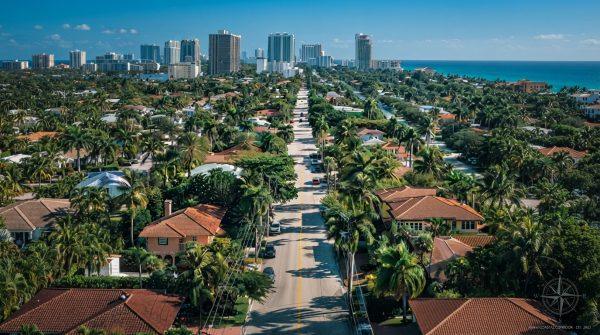
For decades, Florida was the promised land for Latino families seeking opportunity under the sun. But the dream is turning into a financial nightmare. The cost of living has skyrocketed, pushing the middle class—especially Latino households—to pack up and head to states like Tennessee, North Carolina, and South Carolina.
Before the pandemic, the average home in Florida cost around $253,000. Today, that figure has climbed to $375,000, a jump that has priced out many working families. In cities like Miami and Orlando, starter homes now routinely exceed one million dollars. The result? Domestic migration to Florida has plummeted from over 183,000 people in 2023 to just 22,500 in 2025, according to recent data.
An Exodus Driven by Financial Anxiety
This isn't just about housing. Raising a child in Florida now costs 10% more than last year, with total expenses over 18 years reaching an estimated $280,280. Inflation has hit basic goods and services hard, making it harder for families to make ends meet. A survey from Florida Atlantic University reveals that 80% of residents live with distress over housing prices and the high cost of living.
This affordability anxiety is driving nearly half of the population to seriously consider leaving. For Latino families, who often have deep roots in communities like Miami's Little Havana or Tampa's Ybor City, the decision is especially painful. Many are moving to states where their dollars stretch further, even if it means leaving behind the beaches and familiar neighborhoods.
Stories of parents emigrating just to pay rent are multiplying. In Orlando, a city known for its theme parks and growing Latino population, families are struggling to keep up. The promise of upward mobility that once defined Florida is fading, replaced by a sense of being trapped in an economy that grows but remains out of reach.
As one Miami resident put it, “The American Dream is still alive, but the entry price is prohibitive for the average worker.” This sentiment echoes across the state, where the demographic map is shifting from one of excessive growth to one of caution and forced migration.
For those who stay, the challenges are mounting. The state's population is aging, with deaths now outnumbering births, and immigration policies have reduced the arrival of new workers. The working middle class feels the squeeze, caught between rising costs and stagnant wages.
This trend is part of a broader pattern across the U.S., where economic pressures force Latino families to make painful choices. Meanwhile, some retirees are even choosing New York City over Florida, redefining what the golden years look like.
Florida's sun may still shine, but for many Latino families, the cost of living under it has become too high. The exodus is a stark reminder that the American Dream is not guaranteed—it's something you have to fight for, and sometimes, that means leaving the place you once called home.