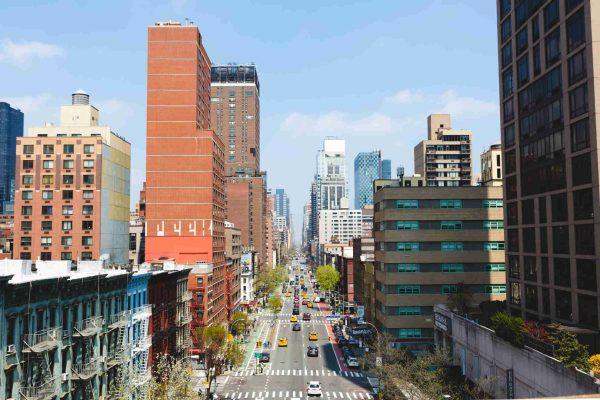
For decades, Linden Boulevard has been one of Brooklyn's most dangerous corridors—a 10-lane artery where, historically, someone is injured every four days. But that's about to change. The New York City Department of Transportation has announced a comprehensive redesign of the boulevard, set to begin in 2026, that aims to transform it from a feared divider into a safer, more connected public space.
The plan focuses on road safety and public transit improvements for the 60,000 daily riders who rely on buses like the B15 and Q8. Key features include eight new boarding islands, exclusive bus lanes, and upgraded pedestrian crossings with better lighting. The redesign will also create more direct routes to JFK Airport, Brookdale Hospital, and six major subway lines—the A, C, J, Z, L, and 3 trains—making commutes faster and safer for the largely Latino workforce that depends on these connections.
Reconnecting Neighborhoods After Decades of Division
Linden Boulevard has long acted as a physical and social barrier between Brooklyn neighborhoods. The redesign aims to heal that divide by prioritizing universal accessibility for people with reduced mobility and by incorporating community input through participatory workshops in 2026. Residents will have a say in the aesthetics and functionality of their new environment, ensuring the boulevard reflects the needs of the diverse communities it serves.
“This is about more than asphalt and traffic signs,” said a DOT spokesperson. “We want Linden Boulevard to become an axis of sustainability, safety, and art that fills the community with pride.” The project includes tactical urbanism elements like physical barriers to control vehicle flow and public art installations that celebrate local culture.
For the Latino workforce moving through Brooklyn, quick access to transportation is a basic necessity. The redesign will reduce waiting times and risks when boarding buses in heavy traffic, improving equity for those living far from financial centers. The investment in public transportation infrastructure guarantees greater quality of life for thousands of families who depend on these routes daily.
Beyond safety, the project signals a paradigm shift in Brooklyn's urban planning. By reimagining a corridor that has caused over 400 injury-causing accidents in recent years, the city is demonstrating that security and integration are the foundation of the urban future. The transformation is expected to be completed by late 2026, with phased improvements rolling out throughout the year.
For more on how urban changes impact Latino communities, check out our coverage of Heightened Security Measures Shape Oscars 2026 in Los Angeles and California's Soil Under Threat: The Invasion of Asian Jumping Worms.