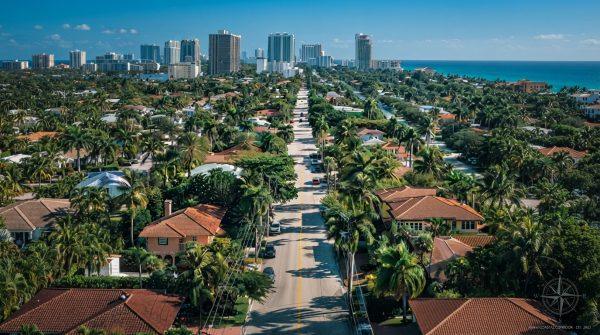
As summer heatwaves become more intense across the United States, health officials are warning about a microscopic threat lurking in warm freshwater: Naegleria fowleri, commonly known as the brain-eating amoeba. This single-celled organism thrives in waters above 30°C, particularly in southern states like Florida, Texas, and California, but climate change is pushing it into northern regions where it was once unheard of.
The amoeba causes primary amebic meningoencephalitis (PAM), a rare but devastating infection. Since 1962, only 167 cases have been recorded in the U.S., yet the mortality rate exceeds 97% if not caught early. The Centers for Disease Control and Prevention (CDC) has issued a warm water alert after detecting increased activity in freshwater bodies, urging swimmers to stay vigilant.
How Infection Happens and Why It's Dangerous
Infection occurs when contaminated water enters the nose—during swimming, diving, or water sports—allowing the amoeba to travel through the olfactory nerve to the brain. It does not spread through drinking water or person-to-person contact. Symptoms often mimic the flu or bacterial meningitis: fever, headache, nausea, and vomiting within the first five days. As the disease progresses, confusion and hallucinations signal advanced brain damage, leaving a narrow window for treatment.
Early diagnosis is critical but challenging. Doctors rely on rapid PCR tests and patient history of recent freshwater exposure. For Latino families who enjoy outdoor activities like swimming in lakes or rivers, especially in states like Texas or California, awareness is key. The CDC emphasizes that informing healthcare providers about recent water activities can save lives.
Prevention Tips for Safe Recreation
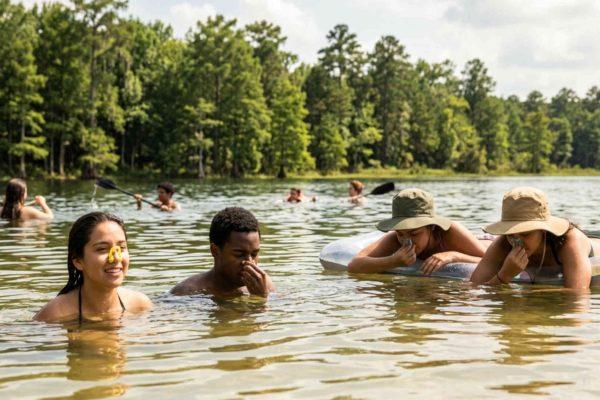
The good news is that simple precautions drastically reduce risk. Using nose clips or keeping your head above water are effective barriers. Avoid stirring up sediment from lake or river bottoms, where the amoeba concentrates. Properly chlorinated pools are safe, as chlorine kills the organism. As summers grow longer, preventive education becomes our best defense.
For communities in urban areas like Brooklyn, where infrastructure upgrades are improving public spaces, staying informed about natural water risks is equally important. Similarly, as the U.S. reschedules cannabis for medical access, public health remains a priority across all fronts.
While the amoeba is a rare threat, its high fatality rate demands respect. By following CDC guidelines and staying aware of local warm water alerts, swimmers can enjoy summer safely. For more on health and safety, check out our coverage of California's soil threats and other environmental stories.