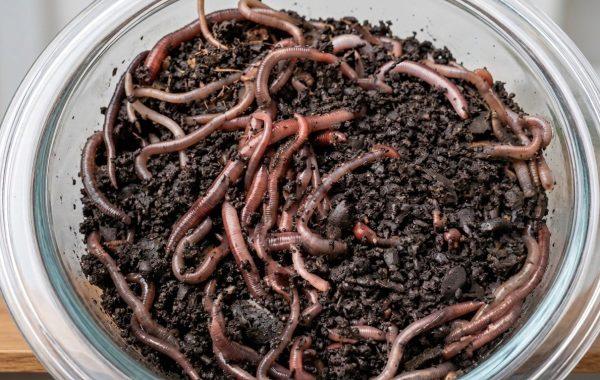
California's gardens and agricultural lands face a new, subterranean threat that has experts on edge. The Asian jumping worm, often called the 'crazy worm' for its frantic, thrashing movements, has established a foothold in the state, and there is currently no known method to eliminate it once it takes hold. For Latino communities across the Golden State—from the backyard gardeners of East Los Angeles to the farmworkers in the Central Valley—this is a crisis that hits close to home, threatening the very soil that sustains our food and traditions.
These worms, which can leap up to 30 centimeters into the air and even detach their tails to escape predators, are not just a bizarre spectacle. Their impact on the ecosystem is devastating. They transform fertile soil into a granular, coffee-ground-like texture that prevents plant roots from anchoring properly. This creates what researchers call a 'nutrient scarcity paradox': while nutrients remain in the soil, the worms' activity makes them unavailable to plants, worsening the drought conditions California already endures. Native birds and salamanders that ingest these worms can be poisoned, disrupting the local food chain.
Why They're So Hard to Stop
The biology of the Asian jumping worm is a nightmare for pest control. They reproduce through parthenogenesis, meaning a single worm—or even a tiny cocoon hidden in a bag of mulch—can start a full-blown infestation. Unlike common earthworms, which are beneficial for soil aeration, these invaders are destructive and aggressive. Agricultural authorities are emphatic: do not use pesticides. Not only are there no chemicals registered for this pest, but using them would kill beneficial earthworms, leaving the soil even more vulnerable and damaging the local environment.
This is not just a problem for large-scale agriculture. For many Latinos in California, gardening is a cultural practice—a way to grow nopales, chiles, and hierbas that connect us to our roots. The loss of healthy soil threatens these traditions. As the state grapples with other challenges, like the financial squeeze fueling California's middle-class exodus, this ecological threat adds another layer of concern for families trying to maintain their way of life.
Prevention: The Only Tool We Have
Since there is no cure, the only strategy is strict prevention. Gardeners and landscapers are urged to inspect any soil, mulch, or plants they introduce into their gardens. Buying bare-root plants whenever possible reduces the risk of bringing in contaminated soil. If you purchase compost or mulch in bulk, ensure it has been heat-treated at a minimum of 54°C (130°F) for at least three days to destroy any hidden cocoons.
Citizen vigilance is the best defense we have. The fight against 'crazy worms' in California has just begun, and it requires the attention of everyone who cares about the health of our soils. For those considering a move away from the state's rising costs, the California exodus might seem tempting, but protecting our land is a battle worth staying for.
As we face this challenge, it's worth remembering that our connection to the earth is part of our heritage. Whether you're tending a small garden in Boyle Heights or working the fields in the Salinas Valley, the health of our soil is the foundation of our food and our culture. Stay informed, stay vigilant, and let's protect the ground beneath our feet.