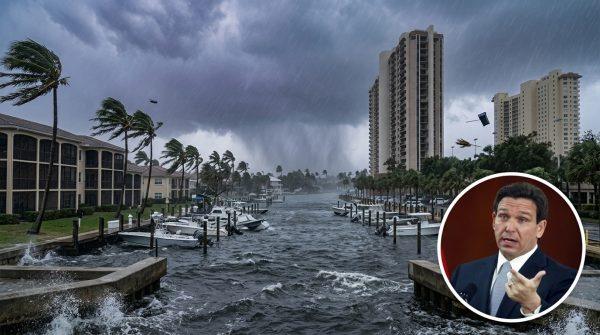
When Hurricane Isaias tore through Florida's coast, many small business owners in places like Tampa, Pensacola, and the Florida Keys were left scrambling for cash to cover payroll, repairs, and inventory. The state's response came in the form of a $10 million emergency loan fund, but as with most government aid, the devil is in the details.
On October 11, the Florida Department of Commerce, under Governor Ron DeSantis, activated the Small Business Emergency Bridge Loan Program. It's designed to provide quick liquidity to businesses that need to keep the lights on while they wait for long-term federal disaster loans. But here's the catch: this is not free money. Every dollar must be repaid within 12 months, and the program comes with a list of exclusions that could leave many entrepreneurs out in the cold.
Who can actually apply?
To qualify, your business must have been operating before the storm, have between 1 and 100 employees, and you need a personal credit score of at least 600. You also have to own at least 51% of the business and be willing to sign as a personal guarantor. That means if your business can't pay back the loan, you're on the hook personally—a risk that's not for everyone.
Independent freelancers and startups that were just getting off the ground are automatically excluded. So if you're a solo graphic designer in Miami or a new food truck in Orlando, this program isn't for you. The state wants established businesses with a track record, not new ventures that might not survive the next year.
The fine print: what's excluded
Beyond the basic eligibility, there's a whole list of business types that are barred from the program. If you're in lending, real estate speculation, short-term vacation rentals, gambling, or multi-level marketing, you're out. Even if your business is legal, if it falls into one of these categories, you can't apply. And if any owner with at least 51% stake is on probation, that's an automatic denial.
These exclusions are meant to target businesses that the state considers high-risk or not aligned with the program's goal of supporting traditional main-street recovery. But for a Latino-owned bodega in Tampa or a family-run fishing operation in the Panhandle, the rules might feel overly restrictive.
How much can you get?
Eligible businesses can borrow up to $100,000, and agricultural and aquaculture operations can get up to $150,000. The interest rate is 0%, which is a great deal if you can pay it back quickly. But remember, this is a bridge loan, not a grant. You're expected to use it to cover immediate needs while you secure longer-term financing, like an SBA disaster loan.
State officials suggest that you can use those federal loans to pay off the bridge loan, but there's no guarantee you'll get them before the 12-month deadline hits. If you don't, you're stuck with a debt that could sink your business if cash flow doesn't recover as fast as you hoped.
Where can you apply?
The program covers 30 counties, including Bay, Hillsborough, Pinellas, and Miami-Dade. If you're outside those areas, you're out of luck. The application window closes on November 25, 2026, or until the funds run out—whichever comes first. So if you think you qualify, you need to move fast.
But before you hit submit, financial advisors warn that you should take a hard look at your cash flow projections. Can you realistically repay this loan in a year? If not, you might be better off exploring other options, like Puerto Rico nurses who have started their own businesses after leaving hospital jobs, or families who turned cheap land into a new life in Florida.
For many Latino business owners, this program could be a lifeline, but it's not without risks. As we've seen with Florida's rising insurance costs, the state's economic landscape is tough. And with a wet, stormy winter predicted, the need for resilient businesses is more urgent than ever.
In the end, the bridge loan program is a tool, not a solution. It can help you weather the storm, but only if you're prepared to pay it back. So do your homework, read the fine print, and decide if this is the right move for your business.