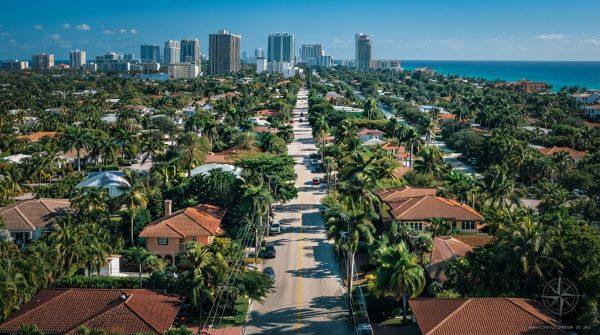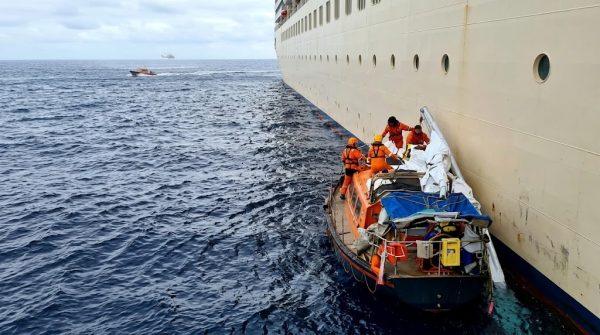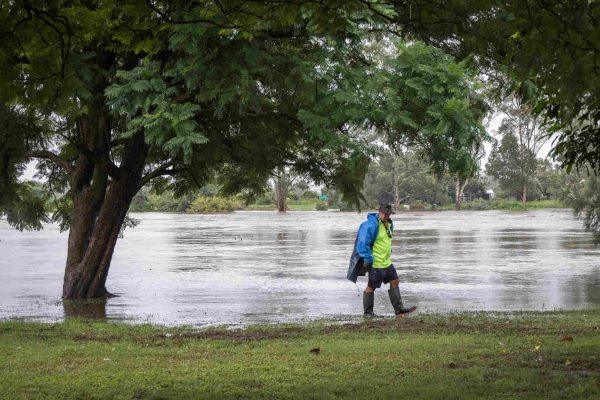
When the skies opened over Florida in late October and early November, the result was not just another rainy spell. It was a deluge that turned streets into rivers, forced families to evacuate, and left meteorologists scrambling for explanations. The National Weather Service issued emergency alerts as Brevard County alone recorded between 12 and 24 inches of rain—all without a single tropical cyclone in the region.
For Jeff Berardelli, a well-known meteorologist in the state, the event was unprecedented in his career. “I’ve never seen anything like this without a hurricane nearby,” he said, visibly shaken by the scale of the flooding. The numbers are staggering: entire neighborhoods in cities like Melbourne and Palm Bay became temporary lakes, and emergency crews used boats to reach stranded residents.
What’s driving the extreme weather?
The immediate cause is a combination of atmospheric ingredients that align like a perfect storm. A shortwave trough stretching from the Missouri River met a massive warm, moist air mass over the Gulf of Mexico, creating a conveyor belt of precipitation. This pattern, experts say, is a classic El Niño signature—but with a modern twist.
El Niño, the oceanic-atmospheric phenomenon that warms the central and eastern Pacific, has long been known to alter jet streams and storm tracks across the Americas. In Florida, it typically means a quieter hurricane season but a stormier winter and spring. However, the recent floods suggest that the rules are changing. “A warmer atmosphere holds more moisture, and when El Niño aligns with that, you get these extreme rain events,” Berardelli explained.
The state has seen similar patterns before, notably during the El Niño years of 1982 and 1997, which brought devastating floods. But the current event is different: it’s happening in a climate that has warmed significantly since then, making the atmosphere more volatile and capable of producing record-breaking rainfall.
A quieter hurricane season, but a wetter one
One of the paradoxes of El Niño is that it tends to suppress Atlantic hurricane activity. Indeed, the 2026 season has been relatively quiet, with only one major storm. But as the recent floods show, a quiet hurricane season doesn’t mean a dry one. “People let their guard down because there aren’t many storms, but then you get hit by something like this,” said a spokesperson for the Florida Division of Emergency Management.
The flooding has also raised questions about the state’s infrastructure. Many of the affected areas are low-lying and rely on drainage systems that were not designed for such intense rainfall. In Brevard County, officials are already reviewing flood maps and considering upgrades to stormwater systems.
For residents, the experience has been a wake-up call. “We’ve lived here for 20 years and never seen anything like this,” said María González, a mother of two who had to wade through waist-deep water to reach a shelter. “It makes you wonder what’s next.”
Looking ahead: a wetter, more uncertain future
As the year winds down, forecasters expect El Niño to persist, which could mean more heavy rain events across the southeastern United States. The relentless rain has already prompted comparisons to a “super El Niño,” though scientists caution that it’s still too early to label it as such.
What is clear is that climate change is amplifying the effects of natural variability. “We’re seeing events that used to be once-in-a-century happening every few years,” said Berardelli. “The atmosphere is like a sponge that’s been squeezed harder.”
For Florida’s Latino communities, many of whom live in coastal areas and work in industries like agriculture and tourism, the stakes are high. The state has already faced a record dengue outbreak this year, and the flooding could exacerbate health risks from standing water.
Local authorities are urging residents to stay informed and prepared. “We can’t predict exactly when the next big rain will come, but we know it will,” said a county emergency manager. “The best thing people can do is have a plan.”
As the waters recede, the questions remain: How will Florida adapt to a future of more intense rainfall? And what does El Niño mean for the rest of the Americas? From Bogotá to Miami, the climate is changing, and the old rules no longer apply.
For now, the focus is on recovery and resilience. But the floodwaters have left a lasting impression—and a warning that the next storm could be just around the corner.