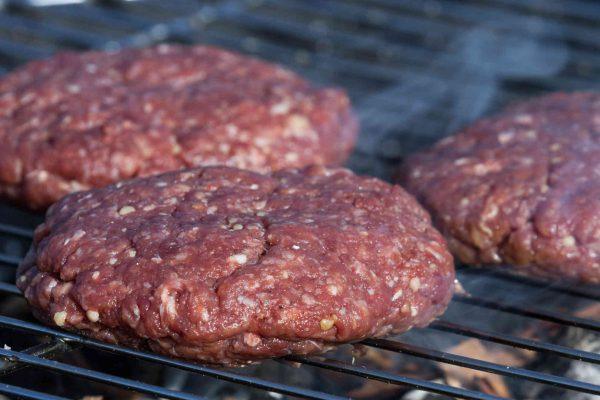
That beautiful, caramelized crust on your burger might look like perfection, but it can be a dangerous illusion. When it comes to ground beef, a well-seared exterior doesn't mean the inside is safe. The very process of grinding meat changes the game: bacteria that live on the surface of a whole cut get mixed throughout the entire batch. So that pink center you might crave could be harboring harmful pathogens like E. coli and Salmonella.
Think about it—when you cook a steak, the heat kills surface bacteria, and the interior is generally safe. But with ground beef, the grinding redistributes any contamination from the outside to the inside. That means a burger patty is a different beast entirely. Cooking it until the outside is brown doesn't guarantee the center has reached a safe temperature. The only way to be sure is to use a food thermometer and hit that magic number: 160°F (71°C).
The Science Behind the Risk
The U.S. Department of Agriculture (USDA) is clear: ground beef must be cooked to an internal temperature of 160°F to destroy harmful bacteria. This isn't just a suggestion—it's a safety standard. The Centers for Disease Control and Prevention (CDC) also warns that undercooked ground beef is a leading cause of foodborne illness. Symptoms can range from stomach cramps and diarrhea to more severe complications, especially for children, the elderly, and those with weakened immune systems.
Argentine grill master Jorgito Parrillero, a popular influencer on Instagram, echoes these guidelines. In his posts, he emphasizes that ordering a burger medium-rare or even medium-well is a gamble. "The pink center might look appetizing, but it's a risk," he says. "You can't judge safety by color alone." His advice resonates with many in the Latino community, where asado culture is sacred, but so is family health.
It's a common misconception that a burger's color indicates doneness. But the USDA notes that a patty can look brown on the outside and still be undercooked inside. Conversely, some burgers can remain pink even after reaching a safe temperature due to factors like the meat's pH or cooking method. The only reliable indicator is the thermometer.
Why Medium-Rare Is a No-Go
For those who love a juicy, medium-rare burger, this might be tough to hear. But the truth is, the juiciness you're after can come with a side of bacteria. When you order a burger at a restaurant, don't be shy about asking for it well-done. And if you're cooking at home, invest in a good instant-read thermometer. Insert it into the side of the patty, not the top, to get an accurate reading.
The risk isn't just about your own health—it's about your community. In Latino households, food is a way to bring people together. A backyard asado or a family cookout should be a source of joy, not a trip to the emergency room. By following these safety guidelines, you're protecting the people you love.
Some might argue that a well-done burger is dry and less flavorful. But that's a myth. With the right seasoning and cooking technique, you can have a burger that's both safe and delicious. Consider adding a bit of olive oil or butter to the mix, or using a cast-iron skillet to get that perfect sear while ensuring the inside is fully cooked.
In the end, the choice is clear: safety first. The next time you're at a parrilla or a burger joint, don't be afraid to ask for your patty well-done. And if you're the one at the grill, make sure you have a thermometer handy. Your family and friends will thank you.
For more on food safety and cultural food practices, check out our story on a church-turned-restaurant redefining LA's dining scene, or explore how a Miami teen patented a hamburger-flavored tomato—a fun twist on burger innovation. And if you're planning a coastal cookout, be aware of record El Niño waves that might affect your beach plans.