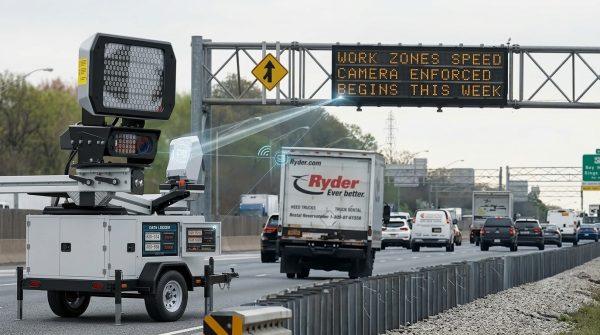
If you drive through New York City, especially across its iconic bridges or through its tunnels, you need to know about a new enforcement system that could hit your wallet hard. The Metropolitan Transportation Authority (MTA) has turned on automated speed cameras at nine key crossings, and they're already issuing warnings—soon to be fines.
These cameras are part of a broader push to improve safety for highway workers and daily commuters. They monitor your speed in real time, and if you're going more than 10 miles per hour over the limit, you'll get a ticket. The system started with a 30-day warning period, but that grace period is ending. After that, the fines begin.
Which Bridges and Tunnels Are Under Surveillance?
The cameras are installed at the following MTA Bridges and Tunnels locations:
- Bronx-Whitestone Bridge
- Cross Bay Veterans Memorial Bridge
- Henry Hudson Bridge
- Hugh L. Carey Tunnel (Brooklyn-Battery Tunnel)
- Marine Parkway-Gil Hodges Memorial Bridge
- Queens Midtown Tunnel
- Robert F. Kennedy Bridge
- Throggs Neck Bridge
- Verrazzano-Narrows Bridge
These are some of the most congested access points in the city, used by millions of drivers every year. If you commute through any of them, you're now being watched.
How the Fines Work
The first violation will cost you $50. But the system tracks repeat offenses over an 18-month rolling window, and the penalties increase. This isn't a one-time slap on the wrist—it's designed to change behavior over the long term. The New York City Department of Transportation (NYC DOT) has made it clear: speeding in work zones is dangerous, and they're using technology to enforce the rules.
For Latino drivers who rely on these crossings for work or family visits—whether you're heading from El Bronx to Queens or from Brooklyn to Staten Island—these fines can add up fast. A single ticket might not break the bank, but repeated violations could strain your budget, especially if you're already dealing with rising costs of living in the city.
As housing corrections in places like Texas show, unexpected expenses can derail financial plans. Similarly, a few speeding tickets here could mean less money for rent, groceries, or even a night out at a cumbia show in Jackson Heights.
Why This Matters for Latino Drivers
New York City is home to one of the largest Latino populations in the United States. Many of us drive these bridges daily—whether we're delivery workers, ride-share drivers, or just commuting to see family in Washington Heights or Sunset Park. The MTA's new system doesn't discriminate, but it does disproportionately affect those who drive for a living.
If you're a taxista or work for Uber, a single fine could eat into your earnings for the day. And if you're a parent driving kids to school or soccer practice, a ticket is the last thing you need. The key is to stay informed and adjust your habits.
How to Avoid These Fines
The simplest advice: obey the speed limit. But let's be real—sometimes you're running late, or traffic is heavy, and you don't notice the signs. Here are a few practical tips:
- Know the zones: The cameras are active in work zones, where road crews are present. Slow down as soon as you see orange cones or signs.
- Use a speed-monitoring app: Apps like Waze or Google Maps often alert you to speed cameras. They're not perfect, but they help.
- Give yourself extra time: Rushing through the Verrazzano or the RFK Bridge isn't worth a $50 fine. Leave five minutes earlier.
- Check your speedometer regularly: It's easy to drift over the limit, especially on long bridges. Stay aware.
These measures aren't just about avoiding fines—they're about keeping everyone safe. Construction workers, other drivers, and pedestrians all benefit when you slow down. And as the city modernizes its transit system, we can expect more cameras in the future. New pedestrian bridges and infrastructure projects are popping up across the region, and safety enforcement is part of the package.
The Bigger Picture
This isn't just about New York. Across the country, cities are using automated enforcement to reduce accidents. In Los Angeles, for example, similar cameras have been installed near schools. And with the 2026 World Cup coming to North America, cities like New York will likely ramp up traffic enforcement even more.
For now, the best strategy is simple: drive with care. Your wallet—and your family—will thank you.