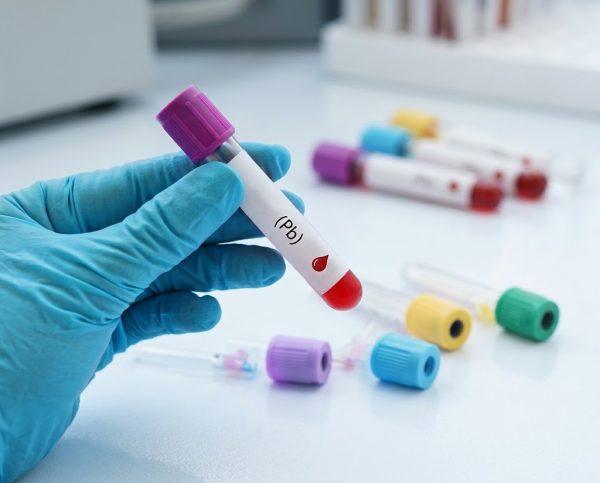
New York City health officials are celebrating a major milestone: blood lead levels among children under 6 have dropped to their lowest point ever recorded. The announcement came during National Lead Poisoning Prevention Week, and it reflects years of coordinated work across the five boroughs. But alongside the good news, city leaders are sounding a cautionary note: the fight is far from over.
“Every child deserves the opportunity to grow up healthy and free from lead exposure,” said Health Commissioner Dr. Alister F. Martin. “This progress is the result of decades of dedicated community work across the entire metropolitan area.” Still, he stressed that families must remain vigilant, especially in older homes where deteriorating lead paint can still pose a serious threat.
The New York City Department of Health and Mental Hygiene is urging healthcare providers, landlords, and parents to stay alert. Routine blood tests for toddlers during regular pediatric checkups are strongly recommended, as early detection is key to preventing long-term health issues. Housing Commissioner Dina Levy also reminded property owners of their legal responsibilities: dangerous conditions must be properly remediated, not ignored.
Housing inspections and abatement efforts
The New York City Housing Authority (NYCHA) has been at the forefront of these efforts. Officials inspected more than 138,700 apartments to identify potential lead hazards, and maintenance crews completed professional abatement procedures in over 21,700 residential units. These actions have helped create safer living environments for thousands of families, particularly in neighborhoods with older housing stock.
“We analyzed thousands of apartments and executed lead removal measures to secure safe living spaces,” said Daniel Greene, Executive Vice President of Real Estate Operations at NYCHA. “We guarantee constant supervision and public accountability while collaborating with municipal and federal partners.”
Community health advocates emphasize that sustaining these gains requires active cooperation between landlords, tenants, and medical professionals. The city has organized workshops across the boroughs to teach residents how to identify environmental hazards and schedule mandatory pediatric screenings. For parents, the message is clear: ask your child’s doctor about lead testing, and keep an eye out for peeling paint or other signs of deterioration in your home.
This progress is especially meaningful for Latino families, who make up a significant portion of NYC’s population and often live in older buildings where lead risks are higher. Similar struggles are playing out in other cities, as seen in South LA eviction fights that threaten housing stability for Latino communities. Ensuring safe, lead-free housing is a critical part of protecting family health and well-being.
While the numbers are encouraging, officials warn that lead exposure can still occur, especially during renovations or in buildings constructed before 1978. Parents should also be aware of other potential sources, such as imported pottery or certain cosmetics, which can contain lead. The city’s health department offers free testing kits and guidance on how to reduce exposure.
As the city continues its efforts, the message from health leaders is one of cautious optimism. “We’ve made incredible strides, but we can’t let our guard down,” said Dr. Martin. “Prevention is an ongoing task, and we all have a role to play in keeping our children safe.”
For families looking for more information, the NYC Health Department’s website provides resources on lead testing, abatement, and tenant rights. And with the holiday season approaching, it’s also worth remembering other safety tips, like Halloween candy safety, to keep kids healthy year-round.