From the streets of Buenos Aires to the barrios of Los Ángeles, Latinos have grown up with stories about the full moon—how it stirs emotions, disrupts sleep, and even fuels superstitions. But what does science actually say about the moon's influence on our mood and rest? Let's separate myth from reality.
The Moon in Our Culture and Biology
For centuries, societies across the Americas and beyond have linked lunar phases with erratic behavior. The very word “lunatic” comes from the Latin luna, reflecting ancient beliefs that the moon could trigger psychological shifts. In many Latino communities, abuelas still warn that a full moon brings out the restless side in people. Yet modern research paints a more nuanced picture.
Comprehensive studies have found no strong correlation between lunar phases and psychiatric hospitalizations, emergency room visits, or violent crimes. Researchers at the National Sleep Foundation note that our tendency to spot patterns makes us vividly recall restless nights during a full moon while forgetting the many peaceful ones. This cognitive bias, combined with cultural storytelling, keeps the myth alive.
How Lunar Light Affects Sleep
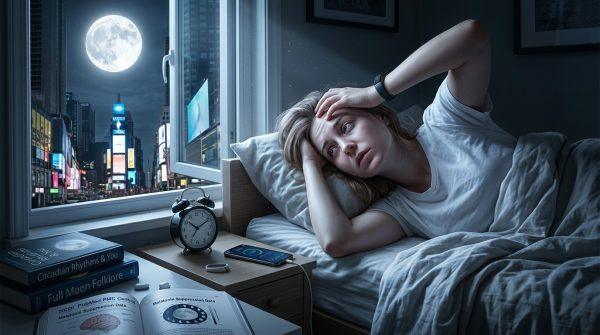
While direct psychological effects remain unproven, the moon can indirectly influence mood through sleep disruption. A remarkably bright lunar evening can delay the body’s internal biological clock. A study published in PubMed Central found that the full moon phase may reduce slow-wave deep sleep by up to 30%, interfering with the architecture of rest.
This delay suppresses melatonin production and keeps the brain on alert. Even minor reductions in deep sleep affect daily functioning: energy levels drop, patience thins, emotional stability wavers, and focus suffers. However, experts emphasize that screens, ambient city lighting, and modern devices exert a vastly greater impact on nightly rest than the lunar cycle itself.
For Latinos living in bustling cities like México City, Bogotá, or Miami, the glow of smartphones and streetlights far outshines any full moon. As Tiffany Bennett, transition care coordinator at Banner Health, explains, “The lunar cycle is one of the most visible rhythms in our environment, but our modern lifestyle has amplified its effects through artificial light.”
Broader Rhythms and the Power of Projection
Humans are inherently cyclical creatures, attuned to circadian rhythms, hormonal fluctuations, and seasonal shifts. This explains why the lunar cycle resonates so strongly within our psyche. In Latino culture, the moon has shaped myths, rituals, and agricultural tracking for millennia—from the Maya’s lunar calendars to the folklore of la luna llena in rural villages.
Added to this is the power of human projection. We have a long history of assigning meaning to celestial objects, and these projections shape our behavior and everyday experiences. While occasional restlessness related to natural light variations is generally harmless, persistent mental hurdles demand medical attention.
Consider consulting a healthcare professional if sleep deprivation consistently impacts your daily routine, you notice persistent anxiety or sadness, or severe mood swings occur regularly. For more on how our brains process emotions, check out our article on the neuroscience behind fear and fun.
Practical Strategies for Better Nighttime Rest
To counteract any variation in the natural environment or the impact of modern lighting, incorporating healthy sleep habits is fundamental to maintaining emotional balance. Establishing a consistent bedtime and wake-up time helps train the internal clock, reinforcing the natural circadian rhythm regardless of lunar phases.
Turning off screens and electronic devices at least an hour before bed significantly reduces blue light exposure, allowing the brain to prepare for deep, restorative rest. This is especially important for Latinos who often stay up late with family or friends—a cherished cultural tradition, but one that can disrupt sleep if not balanced.
For those looking to optimize their health, similar principles apply to diet and exercise. Learn how Shakira maintains her energy for world tours in our piece on Shakira's diet and training. And if you're curious about how superstitions shape our lives, explore the meaning behind Latin America's most enduring superstitions.
Ultimately, the moon may not be the mood-altering force folklore suggests, but understanding its subtle influence—and the greater impact of modern life—can help you rest easier, no matter the phase.