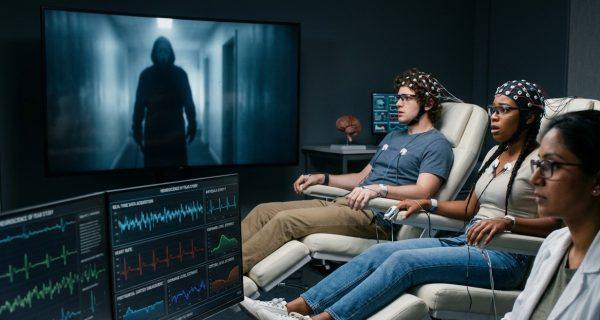
There's a moment in every horror fan's life when the lights dim, the screen flickers, and a jump scare lands perfectly—or sends someone running for the exit. Whether you're the type who craves the adrenaline of Scream marathons or the one who still flinches at memories of The Conjuring, the divide between horror lovers and haters is real. And it's not just about taste—it's wired into your brain.
The Brain's Fight-or-Flight Response to Horror
When you watch a terrifying scene—say, Pennywise's grin in It—your amygdala, the brain's alarm system, kicks into gear. It releases stress hormones like cortisol and adrenaline, preparing your body for danger. Your heart races, your breathing quickens, and you're on high alert. This is the same primal response that helped our ancestors survive predators, but in a movie theater, there's no real threat—just a screen.
For some, this chemical surge feels like a rush. The brain links the fictional danger to a dopamine reward, turning fear into pleasure. Fans of the Saw franchise know this feeling well: the tension builds, the payoff hits, and you leave the theater buzzing. But for others, the same process feels overwhelming. Without that dopamine connection, the experience becomes pure anxiety—like the suffocating dread of Hereditary that lingers long after the credits roll.
Why Some People Can't Handle Horror
Your tolerance for scary movies isn't just about personality. It's shaped by biology, upbringing, and even your social environment. People with high sensitivity to visual stimuli—like those who grew up dodging The Ring on VHS—may find horror exhausting. The sensory overload from unpredictable jump scares can lead to mental fatigue, turning a night at the movies into a draining ordeal.
Neuroscientists at the National Institutes of Health explain that neither reaction is superior. Both are part of the beautiful diversity of human minds. But understanding how your brain processes fear can help you make better choices on streaming platforms. If you know you're prone to anxiety, maybe skip Midsommar and opt for something lighter. As researchers at Houston Methodist note, knowing your neurotransmitters can prevent genuine distress at home.
The Role of the Prefrontal Cortex
Your prefrontal cortex is the voice of reason during a horror film. It reminds you that the monsters aren't real—that the ghost in Paranormal Activity is just a movie. When this region works efficiently, it dials down the alarm signal, letting you enjoy the ride. But when it fails to override the amygdala, panic takes over. That's when a jump scare feels less like fun and more like a childhood nightmare come to life.
This ability to separate fiction from reality defines your comfort level. It's the line between entertainment and suffering. For many Latinos, horror films like La Llorona or El Orfanato tap into cultural fears that make the prefrontal cortex work overtime. These stories resonate because they blend supernatural scares with real-world anxieties—family, loss, and identity.
What Science Says About the Future of Horror
Filmmakers will keep pushing boundaries, as long as audiences crave that thrill. Neuroscientists tracking cardiovascular changes at The Scientist Magazine confirm that directors are getting better at manipulating our biology. They use pacing, sound design, and visual cues to trigger specific responses. The result? More intense experiences that test our collective psychological endurance.
So next time you're deciding between a horror flick and a comedy, remember: your brain chemistry is the real director. Whether you're chasing the high of a good scare or avoiding the crash of a bad one, there's no right or wrong choice. Just know that the next time you scream in a theater, you're part of a biological experiment that's been running for centuries.
For more on how cultural experiences shape our reactions, check out our coverage of Jonas Brothers' cross-border pop night in Santiago and how movement and community help mothers rediscover themselves. And if you're looking for healthier habits, read about cutting added sugar for better metabolic health.