New York City's subway system is about to become a laboratory for a bold experiment: using geothermal energy to cool sweltering stations in summer and heat nearby buildings in winter. The Metropolitan Transportation Authority (MTA), along with Governor Kathy Hochul and Mayor Zohran Mamdani, announced a partnership to fund a feasibility study worth $800,000 at the Brooklyn Bridge-City Hall station. If successful, this could transform how the city's century-old transit network handles extreme heat.
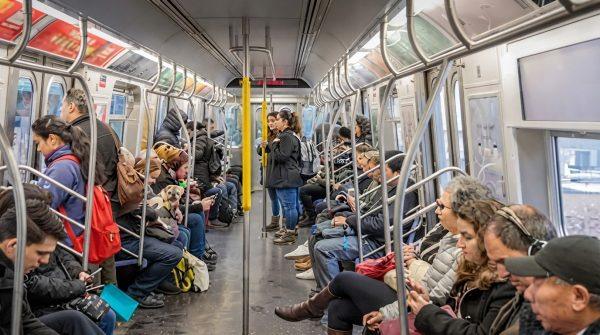
The idea is to capture the excess heat that accumulates underground—where summer platform temperatures have hit an average of 96°F—and redirect it to heat municipal buildings during colder months. This dual-purpose approach not only improves rider comfort but also makes the subway a more sustainable piece of urban infrastructure. It's a concept that has been explored in other parts of the world, but this would be the first such project in the United States.
Why the subway gets so hot
Anyone who has waited on a New York platform in July knows the stifling reality: the heat from trains, brakes, and thousands of bodies gets trapped in the tunnels, making the underground feel like a furnace. The MTA has long struggled with this, and riders have demanded solutions. This geothermal project could be a game-changer, not just for comfort but for energy efficiency.
Janno Lieber, the MTA's chair and CEO, said the agency is "very excited" about the potential to lower temperatures. "This is about modernizing a system that's over a century old," he added. The project is part of a broader push to upgrade the network, which includes renovating the historic Chambers Street station, opened in 1913, without disrupting daily service. The work will involve replacing antique tiles and improving ventilation, with contracts expected to be awarded this fall.
The geothermal system works by using the constant temperature of the earth below the surface to cool or heat fluids, which are then circulated through the station. In winter, the captured heat can be pumped into nearby buildings, reducing their reliance on fossil fuels. This aligns with the city's climate goals and could serve as a model for other transit systems worldwide.
The project has drawn attention from urban engineering circles, and its funding comes from the congestion pricing program, which charges drivers entering Manhattan's core. That revenue is being used to support transit improvements, including this innovative experiment.
While the study is just a first step, the potential is enormous. If successful, it could pave the way for similar projects in other cities with aging subway systems, from Buenos Aires to México City. For now, New York is leading the charge, and riders may soon feel the difference.
For more on how technology is reshaping urban life, check out New York's subway vending machines and Miami's AI hub in Little Haiti.