If you've received a text claiming you owe money for unpaid tolls or a traffic fine, you're not alone. Drivers across several U.S. states—from California to Florida—are being targeted by a wave of fake DMV messages designed to steal personal data and money. State transportation agencies are urging motorists to stay alert and verify any unexpected alerts before clicking links.
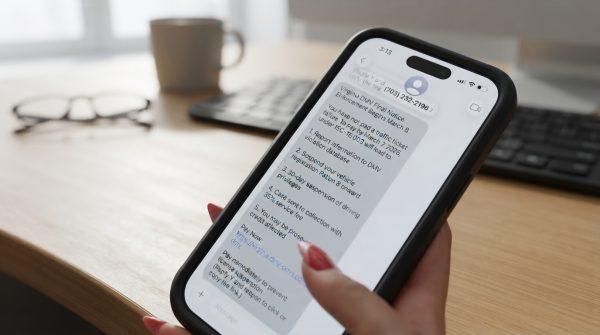
These scams often mimic official communications, using urgent language about license suspension or immediate payment deadlines. But here's the key: legitimate government agencies, including the DMV and toll authorities, do not request payments or sensitive information via text message. If a message asks you to click a link to settle a fine or update your payment details, it's almost certainly a phishing attempt.
How the scam works
Cybercriminals are using automated systems to blast out fake texts that reference unpaid tolls, like those from FasTrak in California or SunPass in Florida, or bogus traffic violations. The messages create a sense of panic, warning that your license could be suspended or that late fees will skyrocket if you don't act immediately. That urgency is a red flag—official agencies typically send notices by mail, not by SMS.
Security experts point out that these scams are not new, but they've become more sophisticated. Some messages now include realistic-looking logos and links that lead to fake websites designed to harvest your credit card numbers, driver's license info, or even your Social Security number. Once they have that data, they can commit identity theft or drain your bank account.
For Latino drivers, who may be more likely to rely on mobile alerts for updates from local agencies, the risk is real. But the same advice applies to everyone: slow down, verify, and don't click.
How to spot a fake DMV text
- Check the sender: Official messages come from verified short codes or domains, not random 10-digit numbers or Gmail addresses.
- Look for generic greetings: Scammers often use phrases like "Dear driver" instead of your name.
- Beware of threats: Legitimate agencies don't threaten immediate arrest or license suspension via text.
- Verify on official portals: If you're unsure, go directly to your state's DMV or toll agency website—don't use the link in the message.
If you've already clicked a link or entered your information, act fast. Contact your bank and credit card companies, and consider placing a fraud alert or credit freeze with the major bureaus—Equifax, Experian, and TransUnion. You should also report the scam to the Federal Communications Commission (FCC) and your state's consumer protection office.
This scam wave comes at a time when many families are already stretched thin by rising costs. As we've reported, rents are hitting Latino families hard in many cities, and a fake toll charge could push someone to pay without thinking. But taking a moment to verify can save you from a much bigger financial headache.
For those who rely on their cars for work—like rideshare drivers or delivery workers—this scam is especially dangerous. A fake text about a toll violation could cause unnecessary stress and potentially lead to lost income if you fall for it. Remember: no legitimate agency will ever ask for payment via text.
If you receive a suspicious message, don't reply, don't click, and don't call any number listed in the text. Instead, report it to the authorities and delete it. Staying informed is your best defense. And if you're looking for other ways to save on car-related costs, check out LA's program that pays drivers to park—a legit way to earn a little extra cash.
As the digital landscape evolves, so do the tactics of scammers. But by staying vigilant and knowing what to look for, you can protect yourself and your family. Spread the word to your community—especially older relatives who might be less familiar with these schemes. A quick conversation could prevent a costly mistake.