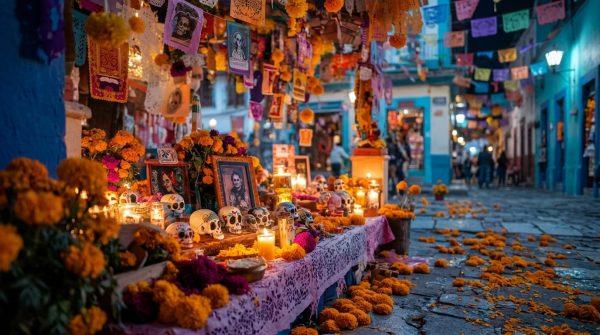
As autumn settles over the United States, Día de Muertos transforms urban landscapes into vibrant tributes to the departed. In New York City and Los Angeles, community organizations and cultural institutions are preparing large-scale ofrendas—traditional Mexican altars adorned with photographs, marigold petals, flickering candles, favorite foods, and personal keepsakes. These installations are more than decorations; they are heartfelt invitations to remember and celebrate the lives of those who came before us.
New York City: A Tapestry of Altars Across the Boroughs
New York City embraces the tradition with a mix of iconic venues and neighborhood efforts. The New York Botanical Garden in the Bronx will host its annual Día de Muertos celebration, featuring a monumental ofrenda crafted by Mexican artists. Visitors can wander through the garden's grounds, where the scent of copal incense mingles with the crisp fall air, and participate in workshops on papel picado and sugar skull decorating.
In Brooklyn, the historic Green-Wood Cemetery offers a unique setting for remembrance, with an altar that honors both Mexican traditions and the diverse immigrant histories of the city. Community museums in Queens and Manhattan also open their doors to local families, who contribute photos and mementos to shared altars, creating a collective space for grief and joy.
For those planning to visit, organizers emphasize checking official websites for hours and ticketing details. Many venues, like the New York Botanical Garden, require advance reservations, especially on weekends. The experience is designed to be accessible, with family-friendly activities that bridge generations.
Los Angeles and Glendale: Grand Offerings in the West
Southern California, with its deep Mexican roots, hosts some of the most elaborate Día de Muertos events in the country. In Los Angeles, the historic Olvera Street transforms into a river of marigolds and candlelight, as merchants and artists build altars that blend traditional elements with contemporary expressions. The self-guided walking tour allows visitors to explore each ofrenda at their own pace, while mariachi bands and folk dancers perform in the plaza.
Glendale's Forest Lawn Memorial-Park, known for its expansive grounds, will feature a grand altar installation that draws thousands each year. The park's designers incorporate hand-carved wooden structures and brightly painted folk art, creating a visual feast that honors the craftsmanship of Mexican artisans. Community leaders note that these public displays are vital for passing down traditions to younger generations, who learn the significance of each element—from the cempasúchil petals that guide spirits home to the pan de muerto that nourishes them on their journey.
For a taste of the season's flavors, many bakeries across the U.S. now offer pan de muerto at accessible prices, making it easy to bring a piece of the tradition into your own home.
Midwest and West: Regional Celebrations
Beyond the coasts, cities like Chicago and Denver embrace Día de Muertos with their own local flavor. The National Museum of Mexican Art in Chicago's Pilsen neighborhood hosts an annual exhibition that draws visitors from across the Midwest. The museum's altar is a collaborative effort, with community members contributing items that reflect their personal histories.
In Denver, the Coliseum will welcome the Day of the Dead Festival on Sunday, November 1, from 11 a.m. to 8 p.m. at 4600 Humboldt Street. Attendees can access community altar spaces through the AXS ticketing app, while enjoying live music, folk dance, food vendors, and artisan booths. The event is a testament to the city's growing Latino community and its commitment to preserving cultural heritage.
These regional gatherings are not just about remembrance; they are also about education. As Día de Muertos and Halloween are often conflated, organizers take care to explain the distinct meanings behind each tradition. Día de Muertos is a celebration of life, a joyful reunion with the dead, rather than a spooky spectacle.
Cultural Preservation and Community Legacy
The proliferation of ofrendas across U.S. cities is a powerful sign of cultural resilience. For many Latino families, these altars are a way to maintain deep bonds with ancestral roots, even as they navigate life in a new country. The act of building an ofrenda together—selecting photos, cooking favorite dishes, arranging flowers—becomes a ritual that strengthens family ties and instills a sense of identity in younger members.
As these annual gatherings draw hundreds of thousands of visitors, cultural institutions are expanding their programming to honor ancestral memory with authenticity and dignity. Community leaders agree that these celebrations solidify cultural pride nationwide, ensuring a lasting future for every regional tribute honoring Día de Muertos.
For those who cannot attend in person, many museums offer virtual tours and online resources. And for a deeper understanding of how Latino families keep their loved ones close, this reflection on the holiday's personal meaning offers a heartfelt perspective.
Whether you're in New York, Los Angeles, or anywhere in between, this Día de Muertos is an opportunity to pause, remember, and celebrate the enduring connections that transcend time and place.