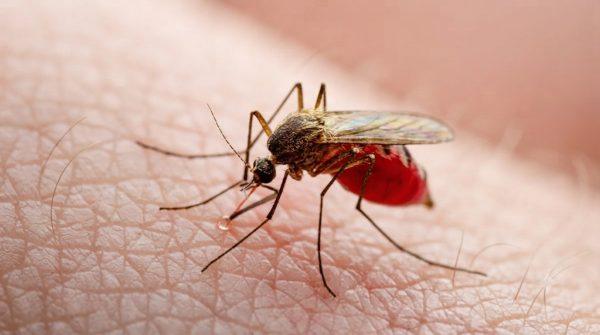
Southern Florida is facing a concerning rise in locally acquired dengue cases, as health officials confirm infections in residents who haven't traveled abroad. The outbreak, tied to the region's rainy season, has prompted an epidemiological alert across affected counties, with vector control teams stepping up fumigation efforts.
Dengue is transmitted by the Aedes aegypti mosquito, which thrives in warm, wet conditions. Recent downpours have created ideal breeding grounds, and experts warn that stagnant water in residential areas is a major contributor. "The accumulation of water in yards, flower pots, and even bottle caps is enough for mosquitoes to reproduce," says Dr. Elena Ramírez, an infectious disease specialist in Miami-Dade County.
Community action is key
Local health departments are urging residents to take proactive steps to reduce mosquito populations. This includes emptying containers that collect water, cleaning gutters, and changing water in pet bowls and birdbaths weekly. Ornamental plants like bromeliads, which trap water in their leaves, should also be rinsed or treated to prevent larvae from hatching.
Neighborhood associations across Broward and Palm Beach counties are organizing cleanup drives, and municipal inspectors are checking vacant lots for potential breeding sites. The CDC supports these efforts, emphasizing that community participation is essential to curb the spread. "We can't fight this alone," says Miami-Dade County Commissioner José 'Pepe' Díaz. "Every household that removes standing water is helping protect the entire neighborhood."
For those spending time outdoors, health officials recommend using EPA-approved repellents containing DEET, picaridin, or oil of lemon eucalyptus. Wearing long sleeves and pants during dawn and dusk, when mosquitoes are most active, also reduces risk.
Recognizing the symptoms
Symptoms of dengue typically appear 4 to 14 days after a mosquito bite. They include sudden high fever, severe headache, pain behind the eyes, joint and muscle pain, fatigue, and a rash. "If you have these symptoms, especially after being in an area with known transmission, seek medical care immediately," advises Dr. Ramírez. "Early diagnosis can make a big difference."
There is no specific antiviral treatment for dengue. Doctors recommend rest, fluids, and acetaminophen to manage fever. Avoid ibuprofen, aspirin, or other nonsteroidal anti-inflammatory drugs, as they can increase the risk of bleeding. In severe cases, dengue can progress to dengue hemorrhagic fever, which requires hospitalization. Vulnerable groups, including young children, the elderly, and those with underlying conditions, should be monitored closely.
Hospitals in the region are reporting an uptick in consultations, and clinical teams are following strict protocols to identify early signs of severe disease. "We're seeing more patients with classic dengue symptoms," says Dr. Carlos Mendoza, an ER physician at Jackson Memorial Hospital. "Most recover with supportive care, but we're on high alert for complications."
The Florida Department of Health has launched public awareness campaigns, distributing informational materials in English, Spanish, and Creole. Social media posts, like the ones shared by the department, emphasize the importance of community vigilance. "Prevention is our best tool," says Dr. Ramírez. "We know how to stop this mosquito—it just takes everyone doing their part."
As temperatures drop in the coming months, mosquito activity may lessen, but health officials stress that the risk remains until the first hard freeze. Until then, every household is the first line of defense. "This is not just a government problem," says Commissioner Díaz. "It's a community responsibility. Let's protect our families and our neighbors."
For more on health issues affecting the region, check out our coverage of drug-resistant fungus in US hospitals and recent restaurant closures in South Florida.