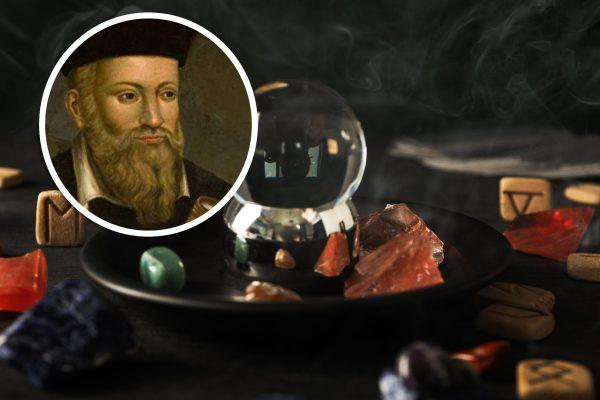
Five centuries after Michel de Nostredame wrote his cryptic quatrains, the French astrologer's words still find new audiences. For 2027, a fresh wave of interpreters has turned to the Centuries, his best-known collection, to map out what the year might hold. By aligning the twenty-seventh stanza of each century with the upcoming year, they have drawn a set of predictions that touch on the environment, the global economy, and the corridors of power.
Wildfires and economic strain
One of the most striking readings points to a surge in wildfires across western and southern regions, which some scholars link to the increasing frequency of catastrophic blazes in places like California, Greece, and Australia. The quatrains speak of celestial fire spreading over land, and modern interpreters see that as a metaphor for the climate-driven infernos that have become a recurring feature of our era.
On the economic front, the verses describe inflated currencies, mounting debt, and the erosion of traditional financial instruments. Analysts draw parallels to today's inflationary pressures, banking instability, and the volatility that has rattled markets from Buenos Aires to Berlin. The warnings feel eerily relevant to a world still grappling with post-pandemic recovery and geopolitical shocks.
Geopolitics and European elections
The quatrains also hint at military movements near the Black Sea, originating from what was once Persian territory. That imagery resonates with current tensions in the Middle East and the ongoing conflict in Ukraine, where the Black Sea has become a flashpoint. Interpreters caution against reading too much into vague verses, but the parallels are hard to ignore.
Closer to home for Nostradamus, the texts mention royal lineage and succession, which some commentators link to the upcoming French presidential elections. With the current administration's term winding down, the verses are seen as a nod to intense political battles and a possible realignment of the country's political landscape. For a bicultural audience watching European politics from the Americas, these shifts could have ripple effects on trade, migration, and diplomacy.
The Oak Island mystery and a dark warning
One of the most popular interpretations involves the long-sought treasure of Oak Island, a mystery that has captivated fortune hunters for generations. Nostradamus wrote of riches hidden beneath a lightning-struck oak, a clue that believers link to the famous site in Nova Scotia. But the verse ends with a grim caution: whoever finds the treasure will meet a tragic end. That warning adds a layer of intrigue to an already legendary hunt.
Why Nostradamus still matters
Whether you take these predictions seriously or see them as entertaining speculation, their persistence says something about our collective anxiety. In times of uncertainty, people look for patterns, even in the words of a 16th-century astrologer. For Latinos across the diaspora, the themes of fire, debt, and political upheaval are not abstract—they echo the challenges many communities face, from economic disparities in the U.S. to the effects of climate change in the Caribbean and Central America.
As 2027 approaches, the debate over Nostradamus' legacy will likely intensify. Some will dismiss it as pseudoscience, while others will find comfort in the idea that history follows a script. Either way, the quatrains offer a mirror to our own fears and hopes, and that is a conversation worth having.