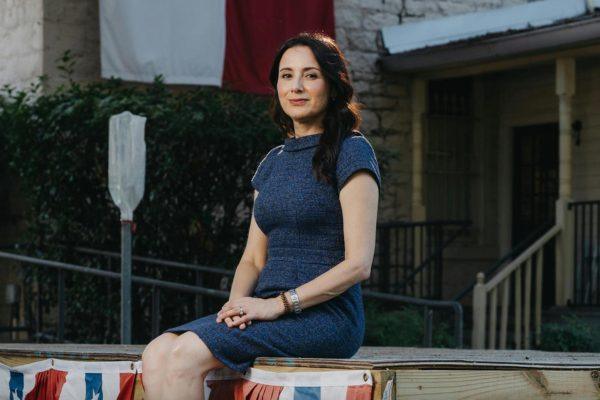
When Gina Hinojosa clinched the Texas governor's race, she carried with her a promise that resonated across the state: a one-time $1,500 check for every household. For many families in San Antonio, El Paso, and the Rio Grande Valley, that check represents a lifeline amid soaring grocery bills and stubborn rent increases. But turning that promise into reality will require navigating a political landscape where the governor-elect's party does not hold the cards.
The proposal: a refund, not a stimulus
Hinojosa has framed the payment as a tax refund—a way to return surplus state revenue directly to the people who earned it. Unlike traditional stimulus checks, which often come with income caps, this plan would send $1,500 to every household in Texas, regardless of size or earnings. A single person living alone, a couple sharing an apartment in Austin, or a family of five in the Dallas suburbs would each receive the same amount.
The idea has sparked enthusiasm among working-class communities, especially those hit hard by inflation. But the mechanics are far from simple. State agencies have yet to draft the administrative rules for residency verification, application procedures, or how to handle shared housing situations. That lack of detail has left some policy experts questioning whether the rollout could be as smooth as promised.
Funding from the Rainy Day Fund
The $17 billion price tag would come from the Texas Economic Stabilization Fund, better known as the Rainy Day Fund. With roughly $27 billion in reserves, the plan would leave $10 billion untouched while redirecting the rest to households. That approach has drawn sharp criticism from fiscal conservatives who argue the fund exists for emergencies like hurricanes or economic downturns—not for broad-based payments.
Economists are split. Some say the state's surplus is large enough to absorb the hit, especially given Texas's booming economy. Others warn that depleting the reserve could leave the state vulnerable to future crises. The debate echoes a broader national conversation about how states should manage their windfalls, and it's a conversation that will play out in the halls of the Capitol in January.
The legislative gauntlet
The biggest obstacle is political. Under the Texas Constitution, any withdrawal from the Rainy Day Fund requires a two-thirds majority in both the House and the Senate. Republicans currently control both chambers, meaning Hinojosa will need to win over a significant number of GOP lawmakers to get her plan through.
That's no small feat. Many Republican legislators have already voiced skepticism about the proposal, questioning both its cost and its precedent. Some have suggested alternative uses for the surplus, such as property tax relief or infrastructure investment. Others have called for a more targeted approach, focusing on low-income families rather than across-the-board payments.
Hinojosa's team has signaled a willingness to negotiate, but the clock is ticking. The new legislative session begins in January 2027, and the governor-elect will need to build a bipartisan coalition quickly if she hopes to see checks go out before the next election cycle.
Public warning: no application exists yet
As the debate heats up, state officials are already warning Texans to beware of scams. No official application, registration portal, or sign-up form exists for the proposed refund. Third-party websites claiming to process early payments are fraudulent, and residents should not share personal information with them.
For now, the promise of $1,500 checks remains just that—a promise. Whether it becomes reality depends on the delicate dance of Texas politics, where a Democratic governor must find common ground with a Republican legislature. It's a familiar challenge for Latino leaders across the country, who often find themselves bridging divides to deliver for their communities.
As the debate unfolds, one thing is clear: the outcome will have a direct impact on millions of Texas families, many of them Latino, who are watching closely to see if this refund becomes a reality.