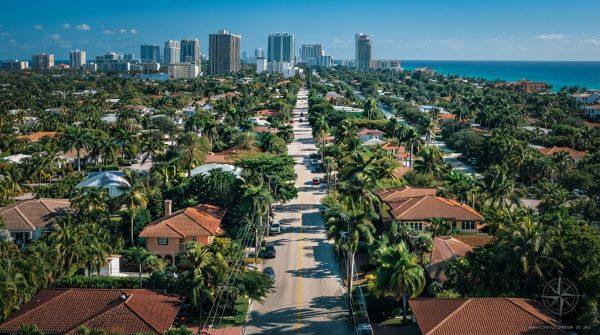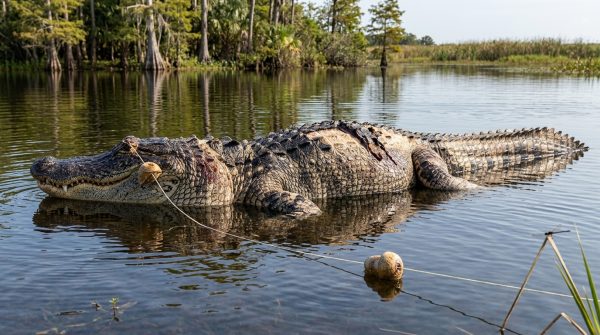
A quiet afternoon at Lake Apopka turned deadly when a massive alligator attacked and killed a 71-year-old resident near Dr. Bradford Memorial Park, about 24 kilometers from Orlando. The incident, which occurred in late afternoon, has left the community shaken and raised urgent questions about safety in areas where wildlife and people intersect.
According to Winter Garden Fire Chief Jose Gainza, rescue teams faced extreme complications. The constant presence of multiple large alligators near the shore prevented the immediate deployment of boats, and extraction efforts stretched for over two hours. "The safety of our personnel was paramount," Gainza said, explaining why crews had to wait for conditions to improve before recovering the victim.
A troubling twist: rescue delayed by lurking predators
The true troubling twist in this tragedy is not just the attack itself, but the dangerous conditions that hampered rescue operations. Emergency responders were forced to hold back as additional alligators lurked in the water, creating an imminent threat to anyone who entered. This delay, while necessary, added to the anguish of the situation.
Once the scene was secured, contracted trappers located the 3.6-meter reptile and euthanized it, according to a Florida Fish and Wildlife Conservation Commission (FWC) spokesperson. The animal was captured shortly after the attack, but the investigation into what drew it to the shore is ongoing.
Winter Garden Police Chief Michael Mason is coordinating with FWC biologists to determine the circumstances that led to the attack. Lake Apopka is known to harbor one of the highest alligator populations in Central Florida, and wildlife experts note that these apex predators are most active during late afternoon hours—exactly when the attack occurred.
Community demands better warnings
In the wake of the incident, local residents are calling for enhanced warning signage along the lake's trails and shorelines. Conservation officers are maintaining close monitoring of the area to ensure visitor safety, and police are urging everyone to keep at least 15 meters away from any body of water across the region.
This is the second fatal alligator attack in Central Florida in 2026. Last June, a 31-year-old woman was killed while swimming in the Econlockhatchee River. FWC records show an average of eight unprovoked bites requiring medical attention each year across the state, underscoring the importance of caution.
Authorities emphasize avoiding unauthorized swimming areas, especially at dawn or dusk, and remind residents that feeding wild alligators is both illegal and dangerous. As urban development continues to expand near natural habitats, these encounters are likely to become more common.
For those interested in other Florida wildlife and safety stories, you might also read about a Kansas man arrested for harvesting protected conch or a lawn watering mistake that could lead to lawsuits. And for a broader look at environmental challenges, a wet, stormy winter may be coming.
Biological patrol teams will continue preventive surveillance along the Lake Apopka coastline over the coming weeks as joint investigations remain active. The goal is to assess ongoing risk levels and ensure that this beautiful recreational area remains safe for everyone.
This tragedy serves as a stark reminder that we share these spaces with powerful wildlife. As one local resident put it, "We need to respect the lake and its inhabitants, or we risk more heartbreak."