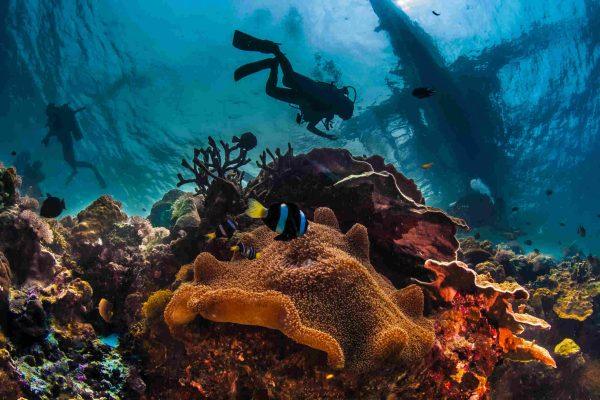
A 69-year-old visitor from Kansas learned the hard way that the Florida Keys' crystal-clear waters hide more than just vibrant reefs—they also hide strict marine conservation laws. What began as a plan to cook a homemade conch chowder ended with handcuffs and a trip to the Monroe County jail.
The man was diving near mile marker 40 when he told another diver he intended to collect a couple of conch for dinner. Unbeknownst to him, an officer from the Monroe County Sheriff's Office marine unit was close by and overheard the conversation. When the man surfaced with two live queen conch, the officer moved in and arrested him on the spot.
Why queen conch is off-limits
Queen conch has been a staple of Florida Keys cuisine for generations, but its popularity nearly led to its extinction. Commercial harvesting was banned in 1975, and recreational harvesting followed in the mid-1980s. Today, both state and federal waters protect the species, and any conch served in local restaurants must be imported from Caribbean or South American countries.
For tourists, this means that even a seemingly innocent catch can lead to serious legal trouble. The marine unit patrols these waters regularly, and officers are trained to spot violations. As this case shows, a craving for a traditional dish can quickly turn into a night behind bars.
This incident echoes other Florida enforcement actions, like the Cuban traveler caught at Miami airport with live birds hidden in underwear, where the desire to bring something home clashed with the law.
Tips for a trouble-free Keys vacation
If you're planning a trip to the Keys, it's essential to brush up on local fishing regulations before you dive in. The rules are designed to protect the ecosystem, and ignorance is not an excuse. Here are a few pointers:
- Check the Florida Fish and Wildlife Conservation Commission's website for up-to-date rules.
- Only buy conch from licensed vendors who can prove their product is imported.
- When in doubt, ask a local or a marine officer—they're happy to help you stay legal.
Understanding these rules not only keeps you out of trouble but also helps preserve the Keys' natural beauty for future generations. As Florida's dengue outbreak triggers emergency in three counties, it's clear that the state takes public health and environmental protection seriously.
For those who love cooking traditional dishes, the message is simple: enjoy conch chowder, but make sure your ingredients come from a legal source. The same goes for other seafood—always verify the origin. This way, your vacation memories will be about the stunning sunsets and the vibrant culture, not a court date.
This arrest is a reminder that the Keys are a delicate paradise. The community, which includes many Latino families with deep roots in the region, values both its culinary traditions and its natural resources. By respecting the law, you honor both.