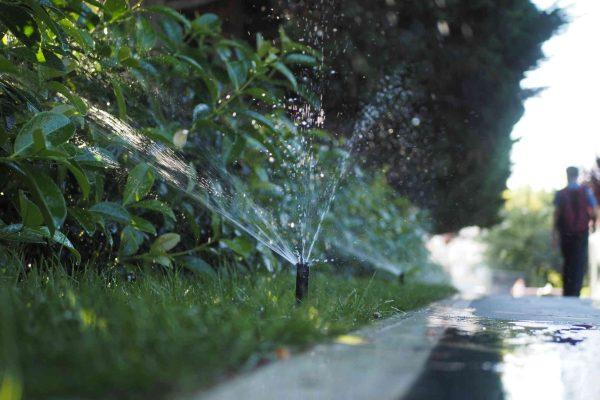
Keeping a lush, green lawn is a point of pride for many households and condominium associations across Florida. But a small oversight in how you water that lawn can turn into a legal and financial headache. When automatic sprinklers drift out of alignment and start dousing sidewalks, driveways, or common walkways, they create slippery puddles that can send pedestrians tumbling. And in Florida, a slip-and-fall can quickly become a lawsuit.
For property owners and condo boards, understanding the legal responsibilities tied to landscape maintenance is crucial. A single accident caused by sprinkler water pooling on a walkway can lead to claims for medical expenses, lost wages, and even pain and suffering. The stakes are high, and the consequences can be severe.
A real case in Coconut Creek sounds the alarm
The seriousness of this issue came into sharp focus with a lawsuit filed in Broward County against the Karanda Village III Condominium Association and its property management company. A resident suffered a serious fall after slipping on a walkway that was constantly wet due to misdirected sprinklers. The complaint details that the victim endured permanent physical pain, disability that affected their ability to work, and substantial hospital bills.
This case underscores a broader point: failing to regularly inspect sprinkler heads, ignoring valve leaks, or letting timers run during peak foot-traffic hours can expose property owners to charges of negligence. They have a duty to provide a safe environment and to warn about potential slip hazards. When they don't, they put the public at risk and open themselves up to costly litigation.
Prevention: the best defense against lawsuits
To avoid turning a routine task like watering the lawn into a courtroom battle, experts recommend a proactive approach. This means combining regular technical checkups with meticulous recordkeeping. Simple steps can make a big difference:
- Adjust sprinkler nozzles so water lands only on plants, not on paved surfaces.
- Schedule irrigation during times when foot traffic is minimal, such as early morning or late evening.
- Place warning signs in areas that may remain wet after watering.
- Improve ground drainage to prevent water from pooling on walkways.
Documenting every maintenance task or repair performed on the irrigation system is also essential. This paper trail can provide invaluable legal protection if an incident occurs. It shows that you took reasonable steps to maintain safety, which can be a strong defense in court.
For Florida's diverse communities—from Miami's bustling neighborhoods to the quieter suburbs of Tampa—these precautions are especially relevant. The state's warm climate and frequent rain already create moisture challenges, and adding misdirected sprinklers only increases the risk. As homeowners already grapple with rising insurance costs, a lawsuit could be financially devastating.
Beyond the legal angle, there's also a community responsibility. In places like Hialeah or Doral, where many Latino families own homes or serve on condo boards, being a good neighbor means keeping shared spaces safe. It's not just about avoiding lawsuits—it's about looking out for each other.
While this story focuses on Florida, the lessons apply across the country. But for those of us in the Sunshine State, where outdoor living is a way of life, it's worth paying extra attention to how we water our lawns. A little diligence can go a long way in preventing accidents and protecting your assets.
In the end, the beauty of a well-kept lawn shouldn't come at the cost of safety. By taking a few preventive measures, you can enjoy your green space without worrying about the next slip. And if you're ever in doubt, consult with a professional who can help you assess your irrigation system and ensure it's working correctly.