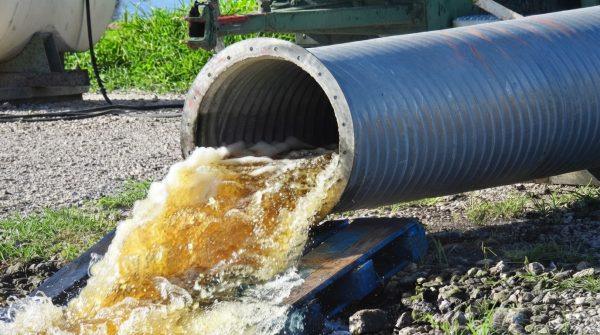
Just as families across Orange County were preparing for the July 4th holiday weekend, a mechanical failure at a Laguna Beach sewer line pump sent approximately 2,000 gallons of untreated sewage into the Pacific Ocean. The spill, which occurred on Thursday, July 3, 2026, forced the immediate closure of a 0.5-mile section of Thalia Beach, with authorities cordoning off a quarter-mile north and south of Anita Street.
The Orange County Health Care Agency is leading the response, conducting daily bacteriological tests to monitor levels of fecal indicator bacteria. Until those levels fall within state safety standards, all recreational water activities—including swimming, surfing, and diving—remain strictly prohibited. Lifeguards and beach patrol units are stationed at entry points to enforce the closure and protect the public from exposure to hazardous pathogens.
Health Risks and Community Impact
Direct contact with sewage-contaminated water can lead to gastrointestinal illnesses, respiratory infections, and severe skin irritations. Health officials are urging residents and visitors to avoid ocean waters not only in the closed zone but also in adjacent areas, as currents can spread contaminants along the Orange County coastline. Supervisor Katrina Foley emphasized that the closure will remain in effect for a minimum of three days, though it could be extended if test results continue to exceed permitted levels.
“We are taking every precaution to ensure public safety,” Foley said in a statement. “Our crews are working around the clock to repair the main sewer line pump and contain the spill before it reaches sensitive coastal habitats.”
Dedicated maintenance teams are using heavy-duty bypass equipment to capture escaping sewage, minimizing the total volume of contaminants entering the surf zone. The Department of Environmental Health is coordinating with local urgent care centers to alert medical providers about the spill, ensuring they can identify and treat any related cases of skin rashes or gastrointestinal distress.
This incident comes at a time when California is grappling with other infrastructure and environmental challenges. For context, recent reports have highlighted the strain on the state's fault lines and the ongoing retirement crisis driven by high costs. While these issues may seem unrelated, they underscore the broader pressures facing California's aging systems and communities.
For Latino families in Orange County—many of whom rely on these beaches for recreation and cultural gatherings—the closure is a significant disruption. Laguna Beach is a popular destination for the region's diverse population, and the timing during a holiday weekend adds to the frustration. Health officials are maintaining a rigorous epidemiological surveillance perimeter, tracking potential spikes in waterborne pathogens and community-reported illnesses.
Federal environmental protection agencies are also providing updates through digital platforms, helping the public stay informed before planning visits to affected beaches. The Orange County Health Care Agency advises checking their website for the latest water quality results and closure status.
As crews continue repairs and testing, the message from officials is clear: stay out of the water until it's declared safe. The risks from sewage contamination are not worth a day at the beach, especially when the long-term health of the community is at stake.