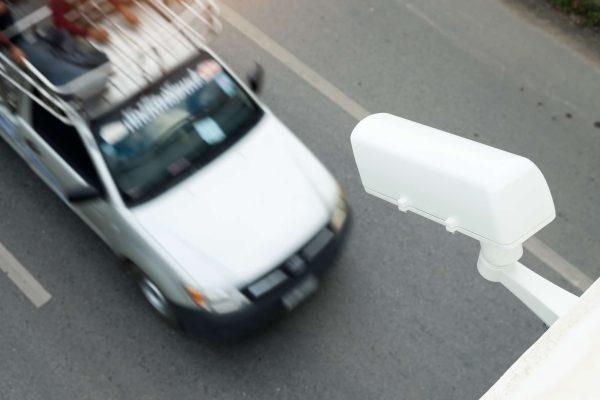
California's ambitious speed camera pilot along the Pacific Coast Highway has hit a speed bump. In just ten days of testing in Malibu, four cameras captured a staggering 100,000 violations, a number that caught even the most cautious officials off guard. The sheer volume of speeding drivers has forced the city to hit the brakes on the program's official launch, pausing the warning period to reassess the infrastructure and understand what's driving this widespread disregard for the limit.
The pilot, designed to curb excessive speed and improve road safety on one of California's most scenic yet dangerous stretches, was meant to be a model for the state. Instead, it exposed a deeper problem: the fast lane has become a real headache for authorities. The cameras, installed in sensitive areas like Carbon Canyon and Tuna Canyon, flashed relentlessly, capturing everything from minor overages to reckless triple-digit speeds. The city has now put everything on hold to conduct additional technical studies and analyze traffic patterns before moving forward.
How the fines will work
For now, drivers can breathe a sigh of relief: the violations recorded during this experimental phase will not result in automatic citations or inquiries with the California DMV. The city has made it clear that this is a testing period, not a revenue grab. But once the program officially launches, fines will be scaled gradually based on how much a driver exceeds the limit. Exceeding by 11 to 15 mph will cost $50, while the next range bumps it to $100. For those pushing 23 to 26 mph over, the fine jumps to $200, and for the truly reckless—those topping 100 mph—the penalty reaches $500.
This tiered approach is designed to be fair, targeting the most dangerous behaviors while giving everyday drivers a chance to adjust. The city also confirmed that these automated violations will not add points to a driver's license, nor will they trigger an increase in insurance rates. That's a key reassurance for motorists who might otherwise worry about long-term consequences beyond the fine itself.
Privacy and the road ahead
Privacy concerns have been a major talking point since the cameras went up. The city has responded with strict protections, ensuring that the data collected is used solely for traffic safety purposes. All fine revenue will be reinvested directly into covering the system's operating costs and funding road safety initiatives along the Pacific Coast Highway—a commitment that aims to build public trust.
The pause has also sparked broader conversations about road safety in California, especially as the state grapples with other pressing issues like stricter DUI penalties and the loss of summer food benefits for families. While the speed camera program is just one piece of the puzzle, its early results suggest that speeding is a more entrenched problem than many realized.
For now, engineers and urban planners are fine-tuning the system, and the city has not set a definitive date for the relaunch. In the meantime, the message to drivers is clear: braking on time on California's highways matters. The cameras may be paused, but the watchful eye of the state is not going away.
As the program evolves, it will be interesting to see how other regions respond. California has often been a testing ground for new policies, and this speed camera experiment could set a precedent for the rest of the country. But for now, the focus is on getting it right—balancing safety, privacy, and the realities of human behavior on the road.