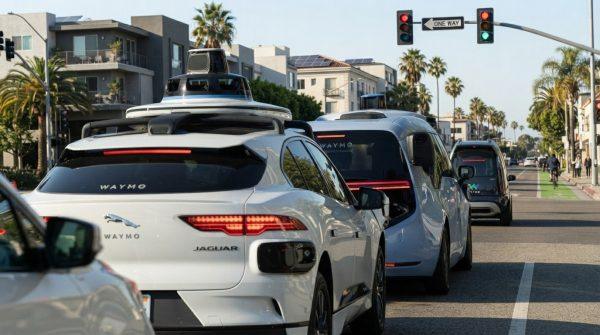
California has long been the proving ground for autonomous vehicles, but with great innovation comes great need for oversight. The state's latest regulatory framework, AB 1777, is a bold attempt to keep driverless cars in check—even when there's no human behind the wheel to hand a ticket to. For Latinos across the state, many of whom work in logistics, ride-hailing, and delivery, these changes could reshape the roads they share with these silent, sensor-laden machines.
What the new law demands
Under AB 1777, manufacturers of autonomous vehicles must set up round-the-clock emergency phone lines. If police or first responders need to halt or redirect a driverless car, a human operator must respond within 30 seconds. That's a tight window, but it's designed to ensure that in a crisis, there's always a person who can take control—even if they're miles away in a control room in San Francisco or Mountain View.
Firefighters and other emergency personnel will also receive ongoing training on how to manually override these systems and communicate with the vehicles via two-way voice. It's a recognition that when a robot car is involved in an accident, the first responders on the scene need to know exactly how to handle it.
Another key provision: every autonomous vehicle must retain sensor logs from the 30 seconds leading up to any collision, and keep them for three years. That's a goldmine for investigators trying to piece together what went wrong. And in emergency situations, authorities can create temporary geofenced exclusion zones, forcing fleets to vacate the area within two minutes. It's a way to keep driverless cars from becoming obstacles during wildfires, earthquakes, or other disasters—scenarios all too familiar in California.
Testing before trust
Before any autonomous vehicle can get final commercial approval, it has to prove itself. Light-duty vehicles must log 50,000 miles of controlled testing, while heavy freight trucks—those over 10,000 pounds—need a staggering 500,000 miles of supervised trials. That's a lot of highway time, but it's meant to ensure that the navigation software can handle everything from the winding roads of the Sierra Nevada to the congested streets of Los Angeles.
For the tech giants behind these fleets, the new law means more than just extra miles. They'll have to submit rigorous technical documentation to the California Highway Patrol, especially for trucks that must stop at weigh stations. And state inspectors can conduct unannounced audits of maintenance facilities to check cybersecurity standards. Any glitch in remote communication could trigger heavy fines or even a temporary suspension of operating licenses.
The message is clear: innovation is welcome, but not at the expense of public safety. As one state official put it, "We're not trying to slow down progress. We're trying to make sure that when these vehicles hit the road, they're as safe as they can possibly be."
What this means for the future
California's approach is likely to set a precedent for other states—and even other countries—as they grapple with how to regulate driverless technology. For the companies involved, it's a challenge to their bottom lines, but also an opportunity to build trust with a public that's still wary of sharing the road with robots.
For Latino communities, who are often on the front lines of the gig economy, these changes could mean safer streets and more reliable transportation. But they also raise questions about job displacement and the future of work. As California's demographic shift continues to reshape the state, it's crucial that these new technologies benefit everyone, not just the tech elite.
The road ahead is long, but with these new rules, California is making sure that driverless cars are held to a higher standard—one that prioritizes people over profit. And that's a direction worth celebrating, whether you're in San Diego, Sacramento, or anywhere in between.