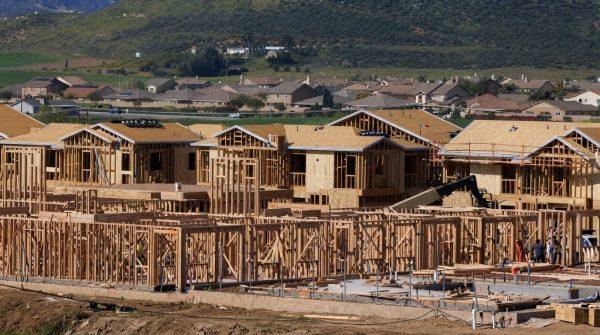
California has been on a building spree, adding roughly 650,000 new homes between 2019 and 2024. But a quiet demographic transformation is undermining those gains. New research from the Public Policy Institute of California, led by Eric McGhee, shows that the average household size in the state has shrunk from 2.89 to 2.77 people. That may sound small, but it means the same population now requires more homes—and the types of homes being built don't match what people actually need.
Why smaller households are a big deal
Fewer people per home is a direct result of an aging population and lower birth rates across the western U.S. In Marin County, more than a third of residents are over 60, and that share is expected to hit 40% by 2040. As older adults lose partners or see their children move away, they end up living alone in large, single-family houses. Jenny Silva, executive director of a local housing coalition, explains that this dynamic turns spacious family homes into one-person residences, reducing the available supply for younger families.
Compounding the issue is California's tax structure. Proposition 13, passed in 1978, discourages older homeowners from selling by tying property taxes to the original purchase price. Moving to a smaller home often means a massive tax increase, so many seniors stay put. This limits the natural turnover that would otherwise free up homes for younger buyers. As a result, the median age of first-time homebuyers in California has climbed to 47, well above the national average of 36 in 2009.
Building the wrong homes
William Fulton, co-director of the Center for Housing Policy and Design at UC San Diego, is blunt about the mismatch: “What we’re building hasn’t kept pace with who we are. Our homes are smaller than ever and our houses are bigger than ever.” Most new construction is either large single-family homes or mid-rise apartment buildings of four to five stories. The so-called “missing middle”—duplexes, townhouses, and small multifamily buildings—remains scarce. Accessory dwelling units (ADUs) have gained popularity, but their use for elderly family members is still uncertain.
This lack of diverse housing options hits Latino families particularly hard. Many Latino households are multigenerational, with grandparents, parents, and children living together. But the current housing stock doesn't accommodate that reality. As research shows, the type of housing low-income Latino seniors live in can directly affect their life expectancy. The shortage of suitable homes forces families into overcrowded conditions or pushes them to the outskirts, far from jobs and services.
The road ahead
State projections indicate that nearly 10 million Californians will be over 60 by 2030, which will only intensify the pressure on housing and community services. Urban planners are experimenting with cohabitation programs and pushing for faster permitting processes. But the core solution, experts agree, is to diversify the housing supply—building more medium-density options in high-demand areas and offering tax incentives for developers who do so.
Private developers are also adapting, though profit margins remain a concern. High material costs and slow approval processes continue to inflate project costs, making it hard to build for middle-income families. Community groups are advocating for affordable housing initiatives, but the scale of the problem requires systemic change.
For Latino families, the stakes are especially high. As some communities have shown, innovative approaches can work. But without a broader shift in housing policy, the dream of homeownership will remain out of reach for many. The state's housing crisis isn't just about numbers—it's about building homes that reflect who Californians really are.