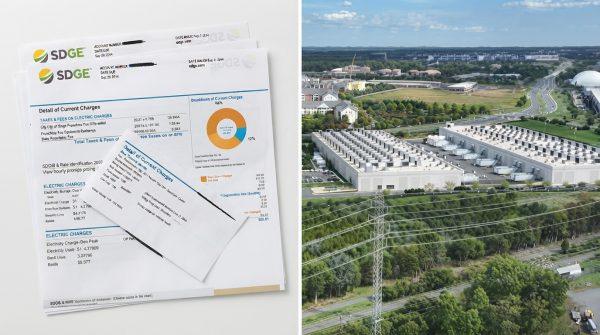
California is drawing a line in the sand when it comes to the energy and water appetite of its booming data center industry. Governor Gavin Newsom has signed a package of seven bills designed to keep the state's power grids stable and its residents' utility bills from spiraling out of control as artificial intelligence and cloud computing continue to expand.
The new laws, which took effect after the governor's signature, impose strict financial safeguards on data center developers. The goal is simple: tech companies must foot the bill for the massive infrastructure their operations require, rather than passing those costs onto everyday Californians. This includes everything from new transmission lines to wildfire mitigation programs, which have become a significant part of the state's energy budget.
What the new rules require
Under the new framework, data center operators must fully finance the generation capacity and grid upgrades needed to support their facilities. They are also required to contribute to public safety initiatives, ensuring that the burden of keeping the lights on doesn't fall on residential and small business ratepayers. The California Energy Commission will publish annual efficiency reports, tracking the exact power draw of every facility in the state, a move that analysts say brings unprecedented accountability to the sector.
But the regulations go beyond electricity. Data centers are notorious water hogs, using millions of gallons for cooling. The new laws mandate that developers submit detailed water usage declarations and specify the source of their water before they can secure construction permits. They must also conduct comprehensive hydrologic impact assessments and prepare emergency contingency plans for potential municipal water shortages. Crucially, the financial responsibility for any local water supply expansions falls entirely on the developers, not on taxpayers.
Municipal governments are getting new tools to evaluate the environmental footprint of proposed projects, including land use and workforce demands. The laws also require data centers to procure clean energy, integrating renewable sources into the grid, which aligns with California's broader climate goals.
Industry concerns and municipal support
Environmental advocates have praised the inclusion of rigorous water conservation benchmarks, noting that transparent resource tracking is vital for communities that have endured prolonged droughts. However, trade groups representing the tech industry warn that the compliance costs could push developers to look elsewhere. They argue that neighboring states, like Texas, which recently paused data center permits amid similar concerns, are becoming more attractive for expansion.
Municipal leaders, on the other hand, welcome the enhanced local evaluation capabilities. They see the new laws as a way to ensure that growth is sustainable and that their communities aren't left to deal with the negative externalities of a booming industry. As one city official put it, "We want the jobs and the economic activity, but not at the cost of our residents' ability to pay their electric bills."
The debate over data centers is not unique to California. Across the country, states are grappling with how to balance technological progress with consumer protection. In California, the new rules represent a significant shift toward prioritizing community well-being over unchecked corporate expansion. For residents, the hope is that their utility bills remain stable, even as the state's digital economy continues to grow.
For those already struggling with energy costs, there are existing programs that can help. The state's CARE program offers significant discounts on electricity for qualifying households, and a recent one-time bill credit provided some relief. But the long-term solution, as these new laws suggest, is to ensure that the industries driving up demand are the ones paying for it.
As California moves forward, the eyes of the nation are on how this experiment in tech regulation plays out. If successful, it could serve as a model for other states facing similar pressures. If not, it might accelerate the exodus of data centers to more business-friendly climes, with all the economic implications that entails.