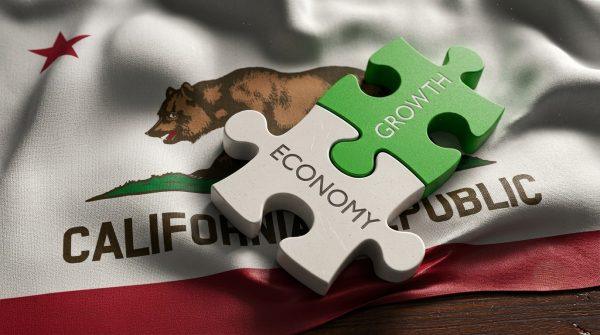
For years, the narrative has been that low-regulation states like Texas and Florida are the engines of American economic growth. But a new report from California's governor's office, based on U.S. Bureau of Economic Analysis data, tells a different story. During the first quarter of 2026, California's economy grew at an annualized rate of 3.7%, far outpacing Texas (0.9%) and Florida (1.6%). The state's gross domestic product now stands at $4.4 trillion, representing about 14% of the entire U.S. economy.
This isn't just a blip. The report highlights that California has added over $1.18 trillion in GDP since the current administration took office. For Latino families and entrepreneurs in California—who make up nearly 40% of the state's population—this growth translates into real opportunities. From the tech corridors of Silicon Valley to the agricultural heartlands of the Central Valley, the state's diverse economy continues to create jobs and attract investment.
What this means for Texas and Florida
The contrast with Texas and Florida is stark. Both states have long marketed themselves as business-friendly alternatives to California, with lower taxes and fewer regulations. Yet the new data suggests that California's model of investing in human capital, infrastructure, and clean energy is paying off. While Texas added jobs in energy and tech, its overall growth lagged. Florida, despite a booming real estate market fueled in part by Californians moving east, saw only modest expansion.
For Latino communities in those states, the implications are significant. In Texas, where Latinos are a growing share of the workforce, slower economic growth could mean fewer opportunities in construction, hospitality, and manufacturing. In Florida, where Miami's cost of living has surged, families are feeling the pinch even as the state's economy chugs along.
California's success isn't accidental. The report credits targeted public policies: universal early childhood education, expanded childcare, affordable housing projects, and a rapid transition to clean energy. These aren't just feel-good measures; they're strategic investments that boost productivity. The state also leads in new business formation, venture capital attraction, and manufacturing output. Labor productivity jumped 4.2% in the last period, and California added 131,500 new jobs over the past year—more than any other state.
For Latino workers, many of whom are employed in essential sectors like agriculture, construction, and healthcare, these policies have tangible benefits. Paid leave and progressive wage increases help create a more stable workforce. Meanwhile, programs like tax credits for immigrant entrepreneurs are opening doors for small business owners who might otherwise struggle to access capital.
Critics might argue that California's regulatory environment stifles growth, but the numbers suggest otherwise. The state's economy is not only large but resilient, thanks to its diversification across tech, entertainment, agriculture, and green energy. Multinational corporations continue to choose California for its talent pool and innovation ecosystem. And while the cost of living remains high, the state's investments in public transit and affordable housing aim to address that.
For Latinos across the Americas, California's model offers a compelling counterpoint to the Texas-Florida narrative. It shows that social equity and economic growth can go hand in hand—that investing in people, rather than just cutting taxes, can build a more prosperous future. As Latino communities expand in Texas and Florida, they may look to California's example as a blueprint for sustainable development.
The report is a reminder that economic success isn't a zero-sum game. While California's growth doesn't diminish the potential of Texas or Florida, it does challenge the idea that there's only one path to prosperity. For Latino families, whether in Los Angeles, Houston, or Miami, the choice between models has real consequences for jobs, housing, and quality of life.