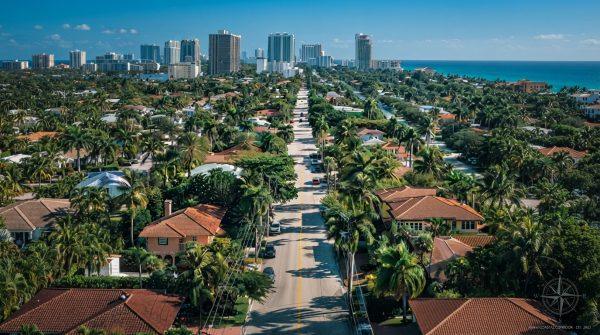
For the first time in years, the U.S. housing market is tilting in favor of buyers. According to a new Realtor.com report, the median listing price per square foot fell 1.8% year-over-year in August—the tenth straight month of declines. That cooling trend is most pronounced in cities that saw explosive growth during the pandemic, including Austin, Tampa, and San Antonio, where sellers are finally adjusting to a new reality.
Former boomtowns lead the price correction
The Austin metro area saw the steepest drop in the country, with median listing prices per square foot down 8.1% compared to last year. Tampa followed with a 5.6% decline, and Memphis came in third at 4.1%. These are the same markets that attracted waves of new residents and investors during the COVID-19 pandemic, driving prices to unsustainable levels. Now, with more inventory on the market and mortgage rates hovering near multi-decade highs, sellers are having to recalibrate.
For Latino families in Texas and Florida, this shift could be significant. Many were priced out of homeownership during the boom, especially in cities like Austin and San Antonio. As prices ease, some may finally find a foothold. But affordability remains a challenge, as Texas cities weigh property tax hikes to cover budget gaps, which could offset some gains for buyers.
San Francisco's unique inventory story
While most price drops signal weakening demand, San Francisco tells a different story. The Bay Area ranked fourth nationally with a 3.9% decline in price per square foot, even though active listings fell 16.3% and the median price stayed high at $908,700. Analysts say the drop isn't a collapse—it's a shift in what's being sold. Larger suburban properties are sitting on the market longer, while smaller urban units are still moving quickly. That nuance matters for anyone watching the West Coast market.
High mortgage rates reshape buyer behavior
With mortgage rates still elevated, buyers are taking their time. Real estate professionals report that clients are spending more weeks comparing financing options and scrutinizing property values before making offers. Sellers, in turn, are becoming more flexible, often accepting price cuts to close deals before the winter slowdown. This dynamic is creating a rare window for pre-approved buyers, especially in markets like Denver, Baltimore, San Diego, Orlando, and Portland, which also saw notable price reductions.
For the Latino community, homeownership has long been a path to building wealth, but it's been out of reach for many in high-cost metros. The current trend offers a glimmer of hope, though experts caution that high interest rates still make monthly payments steep. Still, as rents vary widely across U.S. cities, buying may become more attractive than renting in some areas.
In Florida, the story is mixed. Tampa's price drop is part of a broader pattern where Florida's secondary cities draw new homebuyers, but affordability remains a concern. Meanwhile, Texas continues to lead the nation in housing activity, even as coastal cities fall behind—a trend that shows no signs of reversing.
For now, the message from Realtor.com is clear: if you're a buyer with solid financing, this autumn could be your moment. But don't expect a free-for-all—prices are still high by historical standards, and competition remains in desirable neighborhoods. The key is to act strategically, with a clear budget and a willingness to negotiate.